Feeds:
Posts
Comments

Cheap? Yes. Fake? Not at all.  It’s another genetic study on the placebo effect and it highlights the fact that our brains are not static input-out machines that were built from scratch using a genetic blueprint.  Rather, what we expect and believe matters … a lot.

How does it work?  Nobody knows for sure, but dopamine has been implicated in synaptic mechanisms that are used to register the fulfillment or violation of expectations.  For example, if you believe that a certain something will happen … and something better happens, your brain produces a burst of dopamine.  If something worse happens, then you get a drop in dopamine.  Your expectations and beliefs influence your dopamine levels.

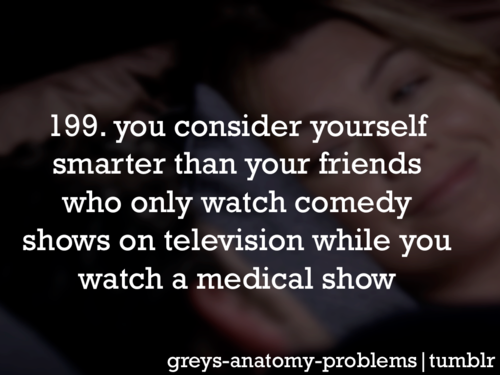
Apparently, some of us metabolize dopamine faster vs. slower which may be related to a weaker vs. stronger placebo response.  For example, my rs4680 GG fast dopamine metabolizing genotype says, the “medicine in my mind” is not very strong.  But, on the other hand, I do watch A LOT of Grey’s Anatomy.

Creative destruction

Creative destruction

Photo Caption

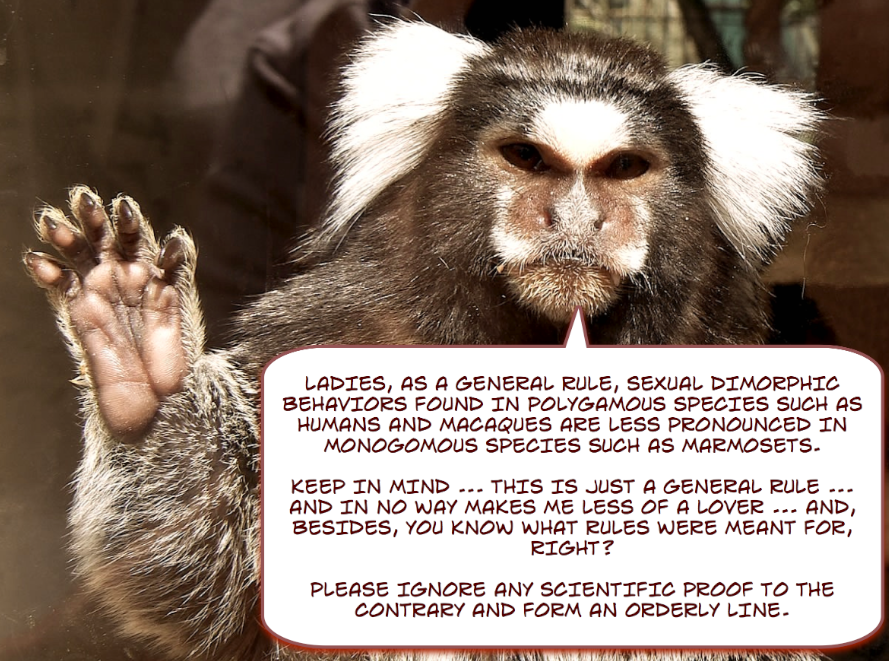
Who knew?  Reinius and colleagues have discovered where she’s kept it stashed away … in 85 brain-expressed genes they refer to as a conserved sexual signature … tsk tsk naughty.  Ladies, you can skip over the parts about macho men with rippling muscles and power tools … ’cause apparently, what really turns Mother Nature on is polyamine biosynthesis.

Genetics is a lot like politics.  Mainly, a whole lotta fuss about sex & selfishness.  Take it from the Economist:

“Deciding whether or not to be part of a particular group, whom else to admit to your group, how to keep or share resources, and how much sexual freedom to afford oneself, one’s neighbors and one’s children are all, and always have been, lively matters of political debate.  But they are also matters that have an impact on the crucial Darwinian business of getting genes into the next generation.”

thanks Amanda-Edwards for the pic

rs11208305, rs718712

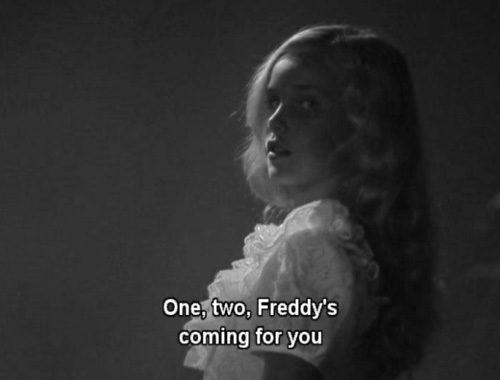
If you can’t sleep it’s because you’re awake in someone else’s dream.

That’s nice to know.  I’m currently being stalked by a DNA binding protein named  PAX6 that has an affinity for the H3K4me1 DNA element – which resides next to the polymorphic sites rs11208305 (chromosome 1p31) and rs718712 (chromosome 20p12) – who, themselves, are involved in the regulation of the expression of the ROR1 and PLCB1 genes, respectively.  Yeah, Freddy is sneaky like that.

These 2 SNPs were the most highly associated low-hanging fruits of a large genome association study of insomnia.  Interestingly, PAX6 is expressed both in the brain and in the pancreas (insomniacs often have high insulin levels at night).  The authors thus explored the notion that the expression of ROR1 and PLCB1 might be regulated by PAX6 both in the brain (where it can influence neural and circadian functions) AND in also the pancreas (where it can influence insulin secretion).

——————————

Caveat:  The authors report a minor allele frequency of 0.03353 for the “C” allele at rs11208305.  Such rare alleles can vary in frequency dramatically across populations and lead to false positive results in case-control analyses.

rs10491929

Thank you for the note rs10491929

It’s 3:00am and my RORB gene called to say, “you look like shit.”

Gee thanks.  More on rs10491929 and it’s relation to circadian rhythms and mood here.

I just want to know if your junk is functional

“Yes, I can count on one hand the number of times a geneticist has tried to pick me up with that line.”

#ENCODEporn

Genome regulation

puffgen

This type of wasteful silliness would never happen in the small and efficiently regulated pufferfish city genome.

#urbanmetaphor

ENCODE metaphors

ENCODE analogies

… to whoever started using the “the genome is like a city … when you get down to the street level, there’s a lot of activity, but mostly meaningless … full of bums”

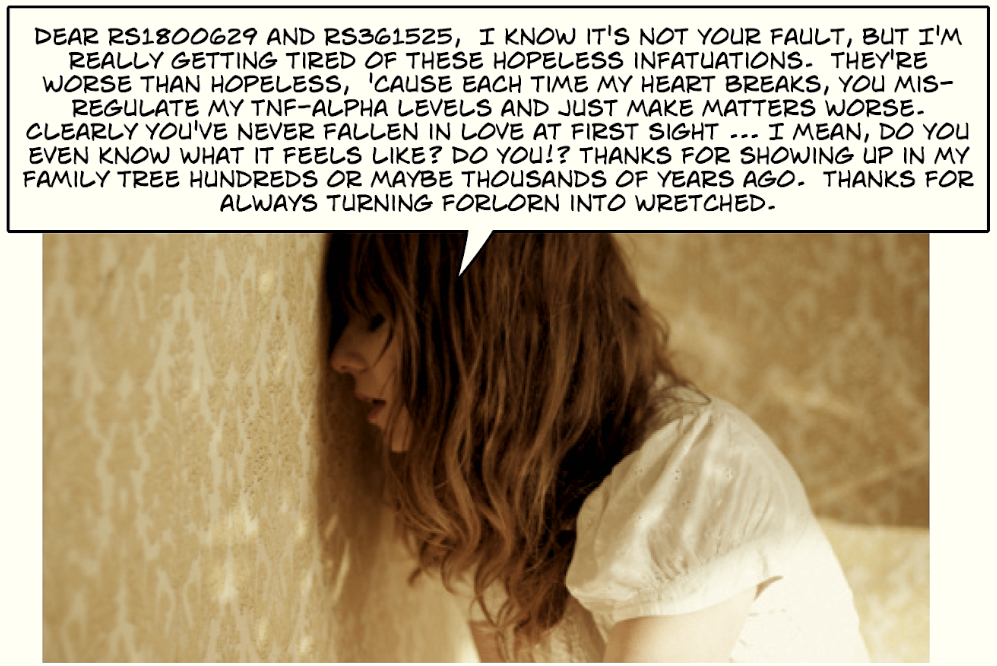
a loose take on TNF-alpha at the cross roads of immunity, obsession & heart function (real science here & here).

X-mas shopping

That awkward moment …

when you realize that the genetic risk of that allele you carry was calculated using a small population from south-western-upper-middle-eurasia-stan … and doesn’t really apply to your individual situation.

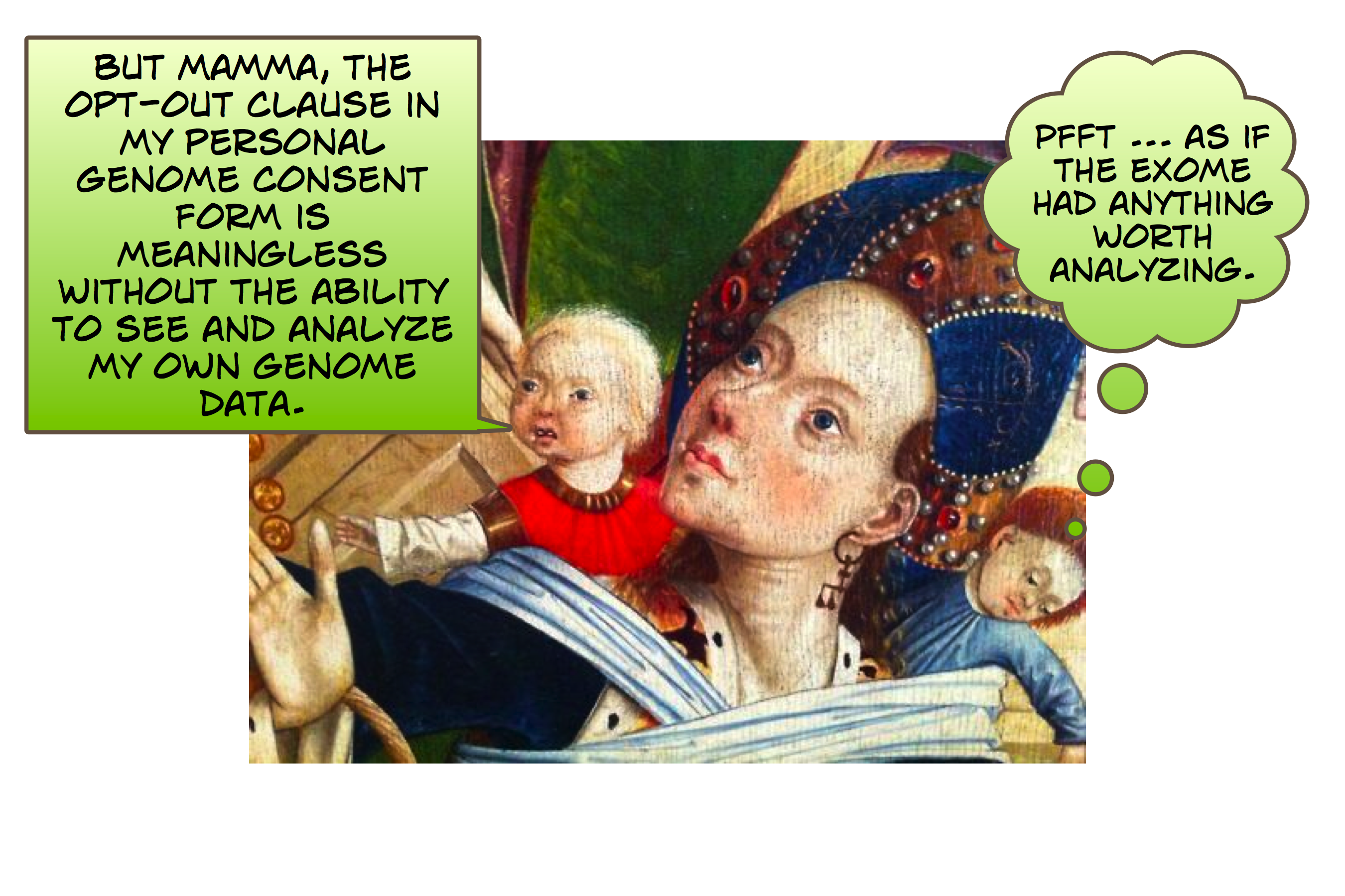
Consent through the ages

thank you ugly renaissance babies.

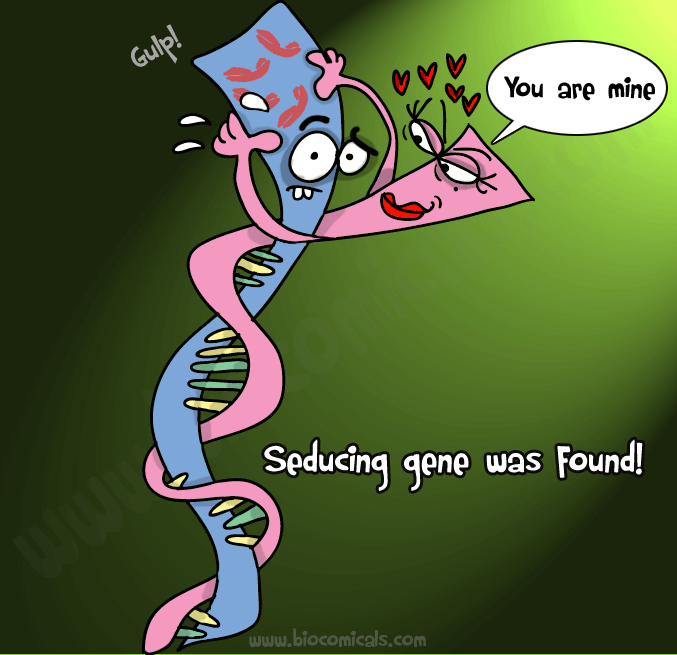
Biocomicals!

Check out Biocomicals!

Perhaps just a little bit.  One Law Professor’s experience.

“As it happens, … It turned out that I had a genetic variant that implied a moderately increased risk of meningioma, the second most common type of brain tumor.

The information came a little late to be useful. Last summer, … found me half conscious on the floor. The diagnosis at the local hospital was meningioma, a benign (i.e. non-cancerous) tumor inside my skull but fortunately outside my brain.”

The article here:

We all have a story.  You know, the narrative of you … your life, its twists and turns … the person you are inside, the person you want(ed) to be … the special, unique person that you are.  Your story is something you naturally think about … a lot.  Is this who I am? … is this the way I want my life to be?  In some ways, our personal narratives are our most prized possessions … the one thing we hope will never be lost, even long after we are gone.

Everyone has a story.  Each parent, sibling, friend, co-worker and stranger you meet has a story.  When you see them in passing, you can be sure that some part of their mind is dwelling on their own personal narrative … whether it be the clothes they selected, the food they prepared or perhaps the job they are quitting or new place they are moving away to.  Just like you and me, their own personal narrative matters.

Sure, you might know personal or genetic information about those close to you … but do you know their stories?  Do you know how they came to be who they are? and who they want to be?  Do you know how their parents shaped their view of themselves?  What major experiences shaped their view of themselves?  Do you know what they think is special about themselves?  Do you know what they feel afraid of? what they think are their best and worst traits?  Do you know their narrative?

Mind you … knowing a person’s story is not the same thing as knowing “them”.  Knowing someone vs. knowing someone’s narrative can be  two separate things … one being their story, and the other, your story (about who you perceive them to be).  Do you know the inner story; the one that they tell to themselves, about who they are?

Think of the person you love the most in this world … the person you long to be closer and closer to … to share everything with.  How well do you really know their inner story?  Not “them” as you perceive them, but the way they perceive themselves.  How well do they know your inner story?  If you know their inner story, ask yourself if you feel motivated to help them develop into the person that they long to be.  Do you?  Do you think they wake up each day and try to help your inner story blossom?  Do they protect and preserve your story so that it remains alive in the world?

We all have a story … an epic adventure … of love, fulfillment, loss and failure … with a beginning and an end.  We are surrounded by a myriad of these epic tales everyday and one of the most humane and loving things you can do for another person is to just listen … listen to their story … let their voice be heard … and let them know their story is amazing and that you will never forget it.
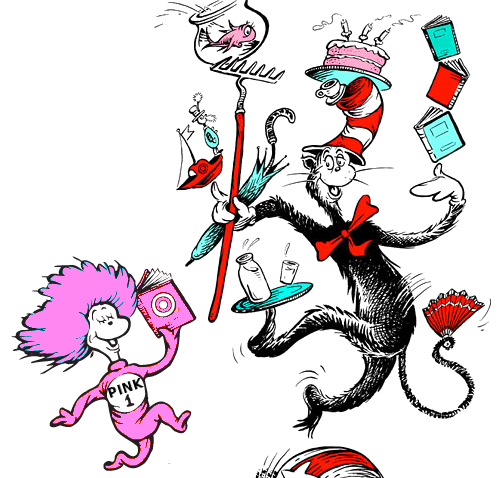
Mitochondrial damage is associated with premature aging in the body and related disorders such as Parkinson’s Disease in the brain.  If you want to grow old and healthy … be nice to your mitochondria … eat healthy foods and exercise.

When mitochondria are damaged, cells can use proteolysis to clean them out, but when this cleaning out process fails … trouble ensues.   PINK1 plays a role on the clearance of damaged mitochondria as revealed by Dr. Derek P. Narendra and colleagues: PINK1 Is Selectively Stabilized on Impaired Mitochondria to Activate Parkin

Since neurons in the Substantia Nigra are postmitotic, any mitochondrial damage they acquire could accumulate over an organism’s lifetime, leading to progressive mitochondrial dysfunction—including increased oxidative stress, decreased calcium buffering capacity, loss of ATP, and, eventually, cell death—unless quality control processes eliminate the damaged mitochondria.

The findings we report in this paper suggest a new model in which PINK1 and Parkin together sense mitochondria in distress and selectively target them for degradation. In this pathway, PINK1 acts as a flag that accumulates on dysfunctional mitochondria and then signals to Parkin, which tags these mitochondria for destruction. Since disease-causing mutations in PINK1 or Parkin disrupt this pathway, patients with these mutations may not be able to clean up their damaged mitochondria, leading to the neuronal damage typical of parkinsonism.

Dr. Terry Wahls has some very inspiring experiences to share on the topic of mitochondrial care.

Hilarious!!!!!!

Check it out here.