Feeds:
Posts
Comments

Posts Tagged ‘Brain’

DON’T tell the grant funding agencies, but, in at least one way, the effort to relate genetic variation to individual differences in cognitive function is a totally intractable waste of money.

Let’s say we ask a population of folks to perform a task – perhaps a word memory task – and then we use neuroimaging to identify the areas of the brain that (i) were associated with performance of the task, and (ii) were not only associated with performance, but were also associated with genetic variation in the population.  Indeed, there are already examples of just this type of “imaging-genetic” study in the literature.  Such studies form a crucial translational link in understanding how genes (whose biochemical functions are most often studied in animal models) relate to human brain function (usually studied with cognitive psychology). However, do these genes relate to just this task? What if subjects were recalling objects? or feelings?  What if subjects were recalling objects / experiences / feelings / etc. from their childhoods?  Of course, there are thousands of common cognitive operations one’s brain routinely performs, and, hence, thousands of experimental paradigms that could be used in such “imaging-genetic” gene association studies.  At more than $500/hour (some paradigms last up to 2 hours) in imaging costs, the translational genes-to-cognition endeavor could get expensive!

DO tell the grant funding agencies that this may not be a problem any longer.

The recent paper by Liu and colleagues “Prefrontal-Related Functional Connectivities within the Default Network Are Modulated by COMT val158met in Healthy Young Adults” [doi: 10.1523/jneurosci.3941-09.2010] suggests an approach that may simplify matters.  Their approach still involves genotyping (in this case for rs4680) and neuroimaging.  However, instead of performing a specific cognitive task, the team asks subjects to lay in the scanner – and do nothing.  That’s right – nothing – just lay still with eyes closed and just let the mind wander and not to think about anything in particular – for a mere 10 minutes.  Hunh?  What the heck can you learn from that?

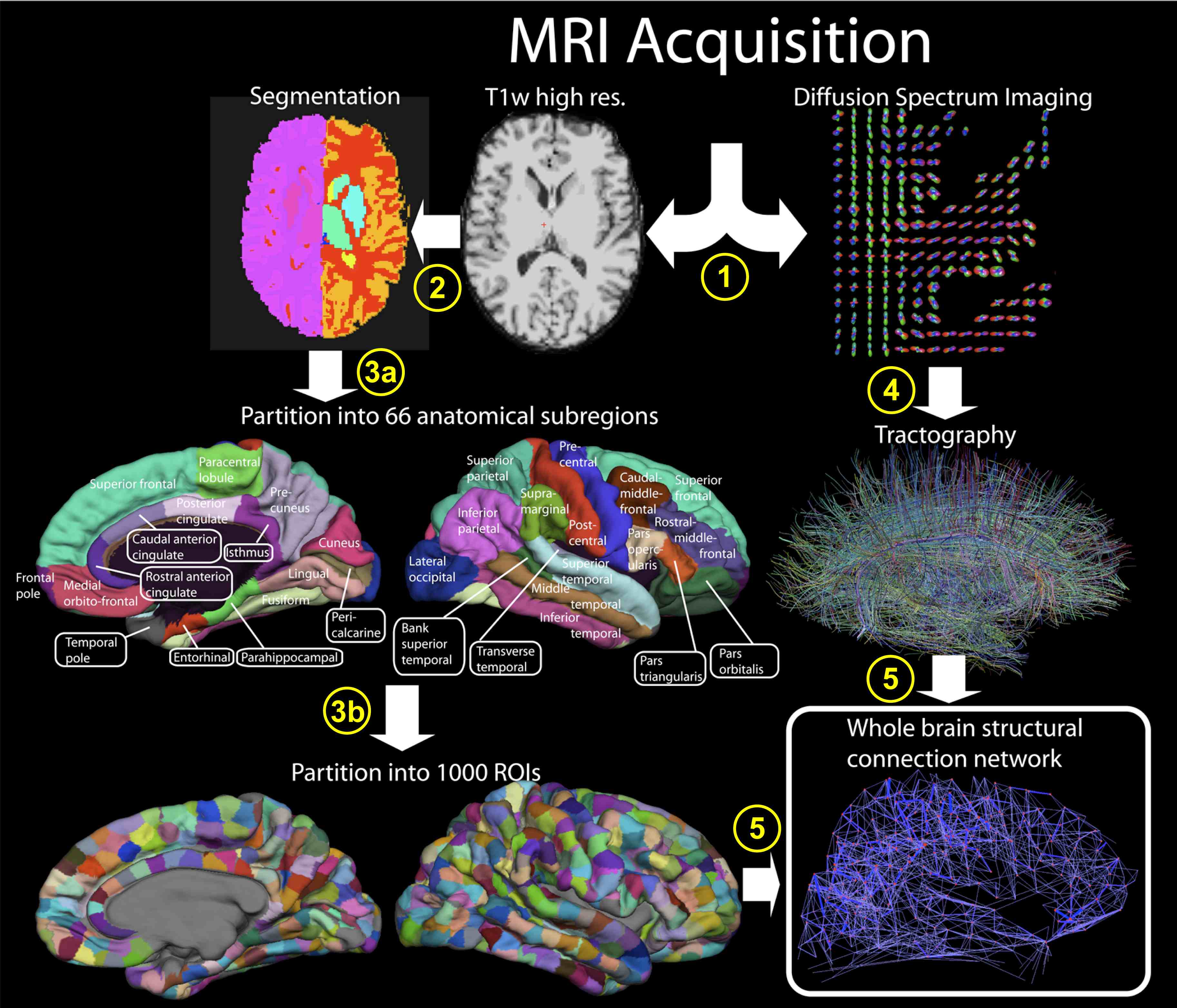
It turns out that one can learn a lot.  This is because the neural pathways that the brain uses when you are actively doing something (a word recall task) are largely intact even when you are doing nothing.  Your brain does not “turn off” when you are laying still with your eyes closed and drifting in thought.  Rather, your brain slips into a kind of default pattern, described in studies of  “default networks” or “resting-state networks” where wide-ranging brain circuits remain dynamically coupled and actively exchange neural information.  One really great paper that describes these networks is a free-and-open article by Hagmann et al., “Mapping the Structural Core of Human Cerebral Cortex” [doi: 10.1371/journal.pbio.0060159] from which I’ve lifted their Figure 1 above.  The work by Hagmann et al., and others show that the brain has a sort of “connectome” where there are thousands of “connector hubs” or nodes that remain actively coupled (meaning that if one node fires, the other node will fire in a synchronized way) when the brain is at rest and when the brain is actively performing cognitive operations.  In a few studies, it seems that the strength of functional coupling in certain brain areas at rest is correlated (positively and negatively) with the activation of these areas when subjects are performing a specific task.

In the genetic study reported by Liu and colleagues, they found that genotype (N=57) at the dopaminergic COMT gene correlated with differences in the functional connectivity (synchronization of firing) of nodes in the prefrontal cortex.  This result is eerily similar to results found for a number of specific tasks (N-back, Wisconsin Card Sorting, Gambling, etc.) where COMT genotype was correlated with the differential activation of the frontal cortex during the task.  So it seems that one imaging paradigm (lay still and rest for 10 minutes) provided comparable insights to several lengthy (and diverse) activation tasks.  Perhaps this is the case. If so, might it provide a more direct route to linking genetic variation with cognitive function?

Liu and colleagues do not comment on this proposition directly nor do they seem to be over-interpreting their results in they way I have editorialized things here.  They very thoughtfully point out the ways in which the networks they’ve identified and similar and different to the published findings of others.  Certainly, this study and the other one like it are the first in what might be a promising new direction!

Reblog this post [with Zemanta]

Read Full Post »

We are all familiar with the notion that genes are NOT destiny and that the development of an individual’s mind and body occur in a manner that is sensitive to the environment (e.g. children who eat lots of healthy food grow bigger and stronger than those who have little or no access to food).  In the case of the brain, one of the ways in which the environment gets factored into development – is via so-called “sensitive periods” where certain parts of the brain transiently rely on sensory experience in order to develop.  Children born with cataracts, for example, will have much better vision if the cataracts are removed in the first few weeks of life rather than later on.  This is because the human visual system has a “sensitive period” early in development where it is extra-sensitive to visual input and, after which, the function and connectivity of various parts of the system is – somewhat permanently – established for the rest of the person’s life.  Hence, if there is little visual input (cataracts) during the sensitive period, then the visual system is somewhat permanently unable to process visual information – even if the cataracts are subsequently removed.  (To learn more about this topic, visit Pawan Sinha’s lab at M.I.T and his Project Prakash intervention study on childhood blindness.)

What the heck is an “in”sensitive period then?   Well, whereas visual input is clearly a “good thing” for the sensitive period of visual development, perhaps some inputs are “bad” and it may be useful to shield or protect the brain from exposure.  Maybe some environmental inputs are “bad” and one would not want the developing brain to be exposed to them and say, “OK, this (bad stuff) is normal“.  As a parent, I am constantly telling my children that the traffic-filled street is a “bad place” and, like all parents, I would not want my children to think that it was OK to wander into the street.  Clearly, I want my child to recognize the car-filled street as a “bad thing”.

In the developing brain, it turns out that there are some “bad things” that one would NOT like (the brain) to get accustomed to.  Long-term exposure to glucocorticoids is one example – well-known to cause a type of neuronal remodelling in the hippocampus, that is associated with poor cognitive performance (visit Bruce McEwen’s lab at Rockefeller University to learn more about this).  Perhaps an “in”sensitive period – where the brain is insensitive to glucocorticoids – is one way to teach the brain that glucocorticoids are “bad” and DO NOT get too familiar with them (such a period does actually occur during early post-natal mammalian development).  Of course, we do need our brains to mount an acute stress response, if and when, we are being threatened, but it is also very important that the brain learn to TURN-OFF the acute stress response when the threat has passed – an extensive literature on the deleterious effects of chronic exposure to stress bears this out.  Hence, the brain needs to learn to recognize the flow of glucocorticoids as something that needs to be shut down.

OK, so our developing brain needs to learn what/who is “good vs. bad”.  Perhaps sensitive and insensitive periods help to reinforce this learning – and also – to cement learning into the system in a sort of permanent way (I’m really not sure if this is the consensus view, but I’ll try and podcast interview some of the experts here asap).  In any case, in the case of the visual system, it is clear that the lack of visual input during the sensitive period has long lasting consequences.  In the case of the stress response, it is also clear that if there is untoward stress early in development, one can be (somewhat) destined to endure a lifetime of emotional difficulty.  Previous posts here, here, here cover research on behavioral/genomic correlates of early life stress.

Genes meet environment in the epigenome during sensitive and insensitive periods?

As stated at the outset – genes are not destiny.  The DNA cannot encode a system that knows who/what is good vs. bad, but rather can only encode a system of molecular parts that can assemble to learn these contingencies on the fly.  During sensitive periods in the visual system, cells in the visual system are more active and fire more profusely during the sensitive period. This extra firing leads to changes in gene expression in ways that (somewhat) permanently set the connectivity, strength and sensitivity of visual synapses.  The expression of neuroligins, neurexins, integrins and all manner of extracellular proteins that stabilize synaptic connections are well-known tagets of activity-induced gene expression.  Hence the environment “interacts” with the genome via neuronal firing which induces gene expression which – in turn – feeds back and modulates neuronal firing.  Environment –> neuronal firing –> gene expression –> modified neuronal firing.  OK.

Similarly, in the stress response system, the environment induces changes in the firing of cells in the hypothalamus which leads (through a series of intermediates) to the release of glucocorticoids.  Genes induced during the firing of hypothalamic cells and by the release of glucocorticoid can modify the organism’s subsequent response to stressful events.  Environment –> neuronal firing –> gene expression –> modified neuronal firing.  OK.

Digging deeper into the mechanism by which neuronal firing induces gene expression, we find an interesting twist.   Certainly there is a well-studied mechanism wherein neuronal firing causes Ca++ release which activates gene expression of neuroligins, neurexins, integrins and all manner of extracellular proteins that stabilize synaptic connections – for many decades.  There is another mechanism that can permanently mark certain genes and alter their levels of expression – in a long-lasting manner.  These are so-called epigenetic mechanisms such as DNA methylation and acetylation.  As covered here and here, for instance, Michael Meaney’s lab has shown that DNA CpG methylation of various genes can vary in response to early-life stress and/or maternal care. In some cases, females who were poorly cared for, may, in turn, be rather lousy mothers themselves as a consequence of these epigenetic markings.

A new research article, “Dynamic DNA methylation programs persistent adverse effects of early-life stress” by Chris Murgatroyd and colleagues [doi:10.1038/nn.2436] explores these mechanisms in great detail.  The team explored the expression of the arginine vasopressin (AVP) peptide – a gene which is important for healthy social interaction and social-stress responsivity.  Among many other interesting results, the team reports that early life stress (using a mouse model) leads to lower levels of methylation in the 3rd CpG island which is located downstream in a distal gene-expression-enhancer region.  In short, more early-life stress was correlated with less methylation, more AVP expression which is known to potentiate the release of glucocorticoids (a bad thing).   The team reports that the methyl binding MeCP2 protein, encoded by the gene that underlies Rett syndrome, acts as a repressor of AVP expression – which would normally be a good thing since it would keep AVP levels (and hence glucocorticoid levels) down.  But unfortunately, early-life stress removes the very methyl groups to which MeCP2 binds and also the team reports that parvocelluar neuronal depolarization leads to phosphorylation (on serine residue #438) of MeCP2 – a form of MeCP2 that is less accessible to its targets.  So, in  a manner similar to other examples, early life stress can have long-lasting effects on gene expression via an epigenetic mechanism – and disables an otherwise protective mechanism that would shield the organism from the effects of stress.  Much like in the case of Rett syndrome (as covered here) it seems that when MeCP2 is bound – then it silences gene expression – which would seem to be a good thing when it comes to the case of AVP.

So who puts these epigenetic marks on chromosomes and why?

I’ll try and explore this further in the weeks ahead.  One intriguing idea about why methylation has been co-opted among mammals, has to do with the idea of parent-offspring conflict.  According to David Haig, one of the experts on this topic, males have various incentives to cause their offspring to be large and fast growing, while females have incentive to combat the genomic tricks that males use, and to keep their offspring smaller and more manageable in size.  The literature clearly show that genes that are marked or methylated by fathers (paternally imprinted genes) tend to be growth promoting genes and that maternally imprinted genes tend to be growth inhibitors.  One might imagine that maternally methylated genes might have an impact on maternal care as well.

Lastly, the growth promoting/inhibiting effects of paternal/maternal genes and gene markings is now starting to be discussed somewhat in the context of autism/schizophrenia which have have been associated with synaptic under-/over-growth, respectively.

Building a brain is already tough enough – but to have to do it amidst an eons-old battle between maternal and paternal genomes.  Sheesh!  More on this to come.

Reblog this post [with Zemanta]

Read Full Post »

Where da rodents kick it
Image by Scrunchleface via Flickr

A recent GWAS study identified the 3′ region of the liver- (not brain) expressed PECR gene (rs7590720(G) and rs1344694(T)) on chromosome 2 as a risk factor for alcohol dependency.  These results, as reported by Treutlein et al., in “Genome-wide Association Study of Alcohol Dependence” were based on a population of 487 male inpatients and a follow-up re-test in a population of 1024 male inpatients and 996 control participants.

The authors also asked whether lab rats who – given the choice between water-based and ethanol-spiked beverages over the course of 1 year – showed differential gene expression in those rats that were alcohol preferrers vs. alcohol non-preferring rats.  Among a total of 542 genes that were found to be differentially expressed in the amygdala and caudate nucleus of alcohol vs. non-alcohol-preferring rat strains,  a mere 3 genes – that is the human orthologs of these 3 genes – did also show significant association with alcohol dependency in the human populations.  Here are the “rat genes” (ie. human homologs that show differential expression in rats and association with alcohol dependency in humans): rs1614972(C) in the alcohol dehydrogenase 1C (ADH1C) gene, rs13273672(C) in the GATA binding protein 4 (GATA4) gene, and rs11640875(A) in the cadherin 13 (CDH13) gene.

My 23andMe profile gives a mixed AG at rs7590720, and a mixed GT at rs1344694 while I show a mixed CT at rs1614972, CT at rs13273672 and AG at rs11640875.  Boooring! a middling heterozygote at all 5 alcohol prefer/dependency loci.   Were these the loci for chocolate prefer/dependency I would be a full risk-bearing homozygote.


Reblog this post [with Zemanta]

Read Full Post »

ruler - STUPID INCOMPETENT MANUFACTURERS
Image by Biking Nikon PDX via Flickr

One of the difficult aspects of understanding mental illness, is separating the real causes of the illness from what might be secondary or tertiary consequences of having the illness.  If you think about a car whose engine is not running normally, there may be many observable things going wrong (pinging sound, stalling, smoke, vibration, overheating, loss of power, etc.) – but, what is the real cause of the problem?  What should be done to fix the car? – a faulty sparkplug or timing belt perhaps?  Such is often the problem in medicine, where a fundamental problem can lead to a complex, hard-to-disentangle, etiology of symptoms.  Ideally, you would fix the core problem and then expect the secondary and tertiary consequences to normalize.

This inherent difficulty, particularly in mental illness, is one of the reasons that genetic research is of such interest.  Presumably, the genetic risk factors are deeper and more fundamentally involved in the root causes of the illness – and hence – are preferable targets for treatment.  The recent paper, “Widespread Reductions of Cortical Thickness in Schizophrenia and Spectrum Disorders and Evidence of Heritability” [Arch Gen Psychiatry. 2009;66(5):467-477] seeks to ascertain whether one aspect of schizophrenia – a widespread and well-documented thinning of the neocortex – is due to genetic risk (hence something that is closer to a primary cause) or – rather – if cortical thinning is not due to genetics, and so more of a secondary consequence of things that go wrong earlier in the development of the illness.

To explore this idea, the team of Goldman et al., did something novel.  Rather than examine the differences in cortical thickness between patients and control subjects, the team evaluated the cortical thickness of 59 patients and 72 unaffected siblings as well as 196 unrelated, matched control participants.  If the cortical thickness of the siblings (who share 50% of their genetic variation) was more similar to the patients, then it would suggest that the cortical thinning of the patients was under genetic control and hence – perhaps – a biological trait that is more of a primary cause.  On the other hand, if the cortical thickness of the siblings (who share 0% of their genetic variation) was more similar to that of the healthy control participants, then it would suggest that cortical thinning was – perhaps more of a secondary consequence of some earlier deficit.

The high-resolution structural neuroimaging allowed the team to carefully assess cortical thickness – which is normally between a mere 2 and 4 millimeters – across different areas of the cortex.  The team reports that, for the most part, the cortical thickness measures of the siblings were more similar to the unrelated controls – thus suggesting that cortical thickness may not be a direct component of the genetic risk architecture for schizophrenia.  Still, the paper discusses several candidate mechanisms which could lead to cortical thinning in the illness – some of which might be assessed in the future using other imaging modalities in the context of their patient/sibling/control experimental design.

Reblog this post [with Zemanta]

Read Full Post »

slow motion video
Image via Wikipedia

The neuregulin-1 (NRG1) gene is widely known as one of the most well-replicated genetic risk factors for schizophrenia.  Converging evidence shows that it is associated with schizophrenia at the gene expression and mouse model levels which are consistent with its molecular functions in neural development.   However, in several recent genome-wide association studies (GWAS), there appeared nary a blip of association at the 8p12 locus where NRG1 resides.  What gives?

While there are many possibilities for this phenomenon (some discussed here), the recent paper, “Support for NRG1 as a Susceptibility Factor for Schizophrenia in a Northern Swedish Isolated Population” by Maaike Alaerts and colleagues, suggest that the typical GWAS study may not adequately probe genetic variation at a fine enough scale – or, if you will, use a netting with sufficiently small holes.  By holes, I mean both the physical distance between genetic markers and the frequency with which they occur in populations.  While GWAS studies may use upwards of 500,000 markers – that’s a pretty fine scale net for a 3,000,000,000bp genome (about 6,000bp apart) – Alaerts and colleagues set forth with slightly finer-scale netting.  They focus on a 157kb region that is about 60kb upstream from the start of the NRG1 gene and construct a net consisting of 37 variants between the markers rs4268087 and rs17601950 (average spacing about 5kb).  They used the tagger program to select markers that account for all haplotypes whose frequency is higher than 1.5%.  Thus – even though there are still more than 500 possible snps in the region Alaerts and colleagues are exploring, they are using a slightly finer netting than a typical GWAS.

The results of their analysis (using GENEPOP) of 486 patients and 514 ethnically matched control participants from northern Sweden did reveal significant associations in an area slightly downstream (about 50kb closer to the start point of the NRG1 gene) than the location of the “previously often replicated variants”, suggesting that the region does confer some risk for schizophrenia, but, that diagnostic markers for such risk will be different for different populations.  More telling however are the very weak effects of the haplotypes that show significant association.  Those haplotypes with the most significance show meager differences in how often they are observed in patients vs. controls.  For example, one haplotype was observed in 5% of patients vs. 3% of controls. Others examples were, 11 vs. 9, 25 vs. 22 and 40% vs. 35% – revealing the very modest (krill sized) effects that single genetic variants can have in conferring risk toward mental illness.

However, there are potentially lots of krill in the genomic sea!

Reblog this post [with Zemanta]

Read Full Post »

caliban missing miranda
Image by shehal via Flickr

“A devil, a born devil, on whose nature
Nurture can never stick; on whom my pains,
Humanely taken, all, all lost, quite lost
And as with age his body uglier grows,
So his mind cankers.”

So says the wizard Prospero about the wretched Caliban in Shakespeare’s The Tempest (Act IV, Scene I, lines 188 – 192).  Although Shakespeare was not a neuroscientist (more to his credit!), his poignant phrase, “on whose nature, Nurture can never stick”  strikes the very core of the modern debates on the role of genes and personal genomes, and perhaps reminds us that our human experience is delicately balanced amidst the interaction of genes and environment.

Among the some 20,500 genes in the human genome (yes, this is the latest estimate from Eric Lander this past weekend) one particularly amazing gene stands out.   CACNA2D1 the alpha-2/delta-1 subunit of the voltage-dependent calcium channel complex (which also binds to the widely-prescribed drug Gabapentin) encodes a protein who, in conjunction with other related subunits, forms a calcium channel to mediate the influx of calcium ions into neurons when membrane polarization occurs.  In the recent article, “Gabapentin Receptor α2δ-1 Is a Neuronal Thrombospondin Receptor Responsible for Excitatory CNS Synaptogenesis” [doi:10.1016/j.cell.2009.09.025] Eroglu and colleagues reveal that this single gene – initiates the development of synapses – the dynamic structures whose ever changing interconnections make us who we are – that allow “nurture to stick” as it were.

More on the biology of CACNA2D1 and its interactions with its ligand – Thrombospondins – to come.

Reblog this post [with Zemanta]

Read Full Post »

By Richard Wheeler (Zephyris) 2007. The three ...
Image via Wikipedia

File this story under “the more you know, the more you don’t know” or simply under “WTF!”  The new paper, “Microduplications of 16p11.2 are associated with schizophrenia” [doi:10.1038/ng.474] reveals that a short stretch of DNA on chromosome 16p11.2 is – very rarely – duplicated and – more rarely – deleted.  In an analysis of 8,590 individuals with schizophrenia, 2,172 with developmental delay or autism, 4,822 with bipolar disorder and 30,492 controls, the the microduplication of 16p11.2 was strongly associated with schizophrenia, bipolar and autism while the reciprocal microdeletion was strongly associated with developmental delay or autism – but not associated with schizophrenia or bipolar disorder.

OK, so the title of my post is misleading (hey, its a blog) since there are clearly many additional factors that contribute to the developmental outcome of autism vs. schizophrenia, but this stretch of DNA seems to hold clues about early development of brain systems that go awry in both disorders.  Here is a list of the brain expressed genes in this 600 kbp region (in order from telomere-side to centromere-side): SPN, QPRT, C16orf54, MAZ, PRRT2, C16orf53, MVP, CDIPT, SEZ6L2, ASPHD1, KCTD13, TMEM219, TAOK2, HIRIP3, INO80E, DOC2A, FLJ25404, FAM57B, ALDOA, PPP4C, TBX6, YPEL3, GDPD3, MAPK3, CORO1A.

Any guess as to which one(s) are the culprits?  I’ll go with HIRIP3 given its role in chromatin structure regulation – and the consequent regulation of under- (schiz?)/over- (autism) growth of synapses. What an amazing mystery to pursue.

Reblog this post [with Zemanta]

Read Full Post »

SfNneuroblogbadge Phrenological thinking, a popular pseudoscientific practice in the 1800’s suggested that the structure of the head and underlying brain held the clues to understanding human behavior.  Today, amidst the ongoing convergence of developmental science, molecular & biochemical science and systems-dynamical science (to name just a few), there is – of course – no single or agreed-upon level of analysis that can provide all the answers.  Circuit dynamics are wonderfully correlated with behavior, but they can be regulated by synaptic weights.  Also,  while developmental studies reveal the far reaching beauty of neuronal circuitry, such elegant wiring is of little benefit without healthy and properly regulated synaptic connections.  Genes too, can be associated with circuit dynamics and behavior, but what do these genes do?  Perchance encode proteins that help to form and regulate synapses? Synapses, synapses, synapses.  Perhaps there is a level of analysis – or a nexus – where all levels of analysis intersect?  What do we know about synapses and how these essential aspects of brain function are formed and regulated?

With this in mind I’ve been exploring the nanosymposium, “Molecular Dynamics and Regulation at Synapses” to learn more about the latest findings in this important crossroads of neurobiology.  If you’re like me, you sort of take synapses for granted and think of them as being very tiny and sort of generic.  Delve a while into the material presented at this symposium and you may come to view the lowly synapse – a single synapse – as a much larger, more complex, ever changing biochemical world unto itself.  The number of molecular players under scrutiny by the groups presenting in this one session is staggering.  GTPase activating proteins, kinases, molecular motors, receptors, proteases, cell adhesive proteins, ion channels and many others must interact according to standard biochemical and thermodynamic laws.  At this molecular-soup level, it seems rather miraculous that the core process of vessicle-to-cell membrane fusion can happen at all – let alone in the precise way needed to maintain the proper oscillatory timing needed for Hebbian plasticity and higher-level circuit properties associated with attention and memory.

For sure, this is one reason why the brain and behavior are hard to understand.  Synapses are very complex!

Reblog this post [with Zemanta]

Read Full Post »

Surgeon holding scalpel.
Image by bethd821 via Flickr

Whether you are a carpenter, plumber, mechanic, electrician, surgeon or chef, your livelihood depends on a set of sturdy, reliable, well-honed, precision tools.  Similarly, neuroscientists depend on their electrodes, brain scanners, microscopes and more recently their genome sequencers.  This is because they are not just trying to dissect the brain – the physical organ – but also the psychological one.  As the billions of neurons connected by trillions of synapses process electrical impulses – a kind of neural information – it is the great endeavor of cognitive-molecular-neuro-psychology (or whatever you wish to call the art) to figure out how all of those neurons and connections come into being and how they process information in ways that lead to your personality, self-image, hopes, dreams, memories and the other wonderful aspects of your mental life.  How and why does information flow through the brain in the way it does? and how and why does it do so in different ways for different people? Some, for instance, have informally related Sigmund Freud‘s models of mental structure to a kind of plumbing wherein psychic energy was routed (or misrouted) through different structural aspects of the mind (pipes as it were).  Perhaps such a model was fitting for the great industrial era in which he lived – but perhaps not in today’s highly information-based, inter-connected and network-oriented era.  If our understanding of mental life is a product of our tools, then perhaps we should be sure that our modern tools are up to the job.

One recent paper reminded me of how important it is to double check the accuracy and precision of one’s tools was the research article, “Quantifying the heritability of task-related brain activation and performance during the N-back working memory task: A twin fMRI study” [doi:10.1016/j.biopsycho.2008.03.006] by Blokland et al..  In this report, the team summarizes the results of measurments of the brain activity – not structure – but rather activity as measured by their chosen tool, the MRI scanner.  This research team, based in UCLA and known as one of the best in the field, asks whether the so-called BOLD response (an indirect measure of neural activity) shows greater concordance in identical (monozygotic) vs. fraternal (dizygotic) twins.  To generate brain activity, the research team asked the subjects to perform a task called an N-back  workng memory task, which entails having to remember something that happend “N” times ago (click here for further explanation of N-back task or play it on your iphone).  If you’ve done this, you’ll know that its hard – maddeningly so – and it requires a lot of concentration, which, the researchers were counting on to generate activity in the prefrontal cortex.

After looking at the brain activity patterns of some 29 MZ pairs and 31 DZ pairs, the team asked if the patterns of brain activity in the lateral frontal cortex were more similar in the MZ pairs vs. the DZ pairs.  If so, then it would suggest that the scanning technology (measurement of the BOLD response) is sufficiently reliable and precise enough to detect the fraction of individual differences in brain activty that arise from additive genetic variation.  If one actually had such super-precise tool, then one could begin to dissect and tease apart aspects of human cognition that are regulated by individual genetic variation – a very super-precise and amazing tool – that might allow us to understand mental life in biologically-based terms (and not Freud’s plumbingesque analogies).  If only such a tool existed! Somewhat amazingly, the scanning tools did seem to be able to detect differences between the BOLD response correlations of MZ pairs vs. DZ pairs.  The BOLD response correlations were greater for MZ vs. DZ in the middle frontal gyrus, angular gyrus, supramarginal gyrus when activity for the 2-back task was compared to the 0-back task.  The team were cautious to extend these findings too far, since the standard deviations are large and the estimates of heritability for the BOLD response are rather low (11-36%), but, overall, the team suggests that the ability to use the fMRI methods in conjunction with genetic markers shows future promise.

Meanwhile, the literature of so-called “imaging-genetic” findings begins to grow in the literature.  I hope the tools are reliable and trustworthy enough to justify conclusions and lessons about human genetic variation and its role in mental life.  Will certainly keep this cautionary report in mind as I report on the cognitive genetics literature in the future.

Reblog this post [with Zemanta]

Read Full Post »

[picapp src=”e/7/8/1/Children_Attend_Classes_9572.jpg?adImageId=4955179&imageId=1529412″ width=”380″ height=”253″ /]

This year, my 5 year-old son and I have passed many afternoons sitting on the living room rug learning to read.  While he ever so gradually learns to decode words, eg. “C-A-T”  sound by sound, letter by letter – I can’t help but marvel at the human brain and wonder what is going on inside.  In case you have forgotten, learning to read is hard – damn hard.  The act of linking sounds with letters and grouping letters into words and then words into meanings requires a lot of effort from the child  (and the parent to keep discomfort-averse child in one place). Recently, I asked him if he could spell words in pairs such as “MOB & MOD”, “CAD & CAB”, “REB & RED” etc., and, as he slowly sounded out each sound/letter, he informed me that “they are the same daddy“.  Hence, I realized that he was having trouble – not with the sound to letter correspondence, or the grouping of the letters, or the meaning, or handwriting – but rather – just hearing and discriminating the -B vs. -D sounds at the end of the word pairs.  Wow, OK, this was a much more basic aspect of literacy – just being able to hear the sounds clearly.  So this is the case, apparently, for many bright and enthusiastic children, who experience difficulty in learning to read.  Without the basic perceptual tools to hear “ba” as different from “da” or “pa” or “ta” – the typical schoolday is for naught.

With this in mind, the recent article, “Genetic determinants of target and novelty-related event-related potentials in the auditory oddball response” [doi:10.1016/j.neuroimage.2009.02.045] caught my eye.  The research team of Jingyu Liu and colleagues asked healthy volunteers just to listen to a soundtrack of meaningless beeps, tones, whistles etc.  The participants typically would hear a long stretch of the same sound eg. “beep, beep, beep, beep” with a rare oddball “boop” interspersed at irregular intervals.  The subjects were instructed to simply press a button each time they heard an oddball stimulus.  Easy, right?  Click here to listen to an example of an “auditory oddball paradigm” (though not one from the Liu et al., paper).  Did you hear the oddball?  What was your brain doing? and what genes might contribute to the development of this perceptual ability?

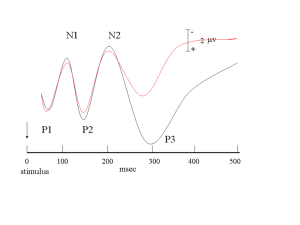
The researchers sought to answer this question by screening 41 volunteers at 384 single nucleotide polymorphisms (SNPs) in 222 genes selected for their metabolic function in the brain.  The team used electroencephalogram recordings of brain activity to measure differences in activity for “boop” vs. “beep” type stimuli – specifically, at certain times before and after stimulus onset – described by the so-called N1, N2b, P3a, P3b component peaks in the event-related potentials waveforms.  800px-Erp1Genotype data (coded as 1,0,-1 for aa, aA, AA) and EEG data were plugged into the team’s home-grown parallel independent components analysis (ICA) pipeline (generously provided freely here) and several positives were then evaluated for their relationships in biochemical signal transduction pathways (using the Ingenuity Pathway Analysis toolkit.  A very novel and sophisticated analytical method for certain!
The results showed that certain waveforms, localized to certain areas of the scalp were significantly associated with the perception of various oddball “boop”-like stimuli.  For example, the early and late P3 ERP components, located over the frontal midline and parieto-occipital areas, respectively, were associated with the perception of oddball stimuli.  Genetic analysis showed that several catecholaminergic SNPs such as rs1800545 and rs521674 (ADRA2A), rs6578993 and rs3842726 (TH) were associated with both the early and late P3 ERP component as well as other aspects of oddball detection.

Both of these genes are important in the synaptic function of noradrenergic and dopaminergic synapses. Tyrosine hydroxylase, in particular, is a rate-limiting enzyme in catecholamine synthesis.  Thus, the team has identified some very specific molecular processes that contribute to individual differences in perceptual ability.  In addition to the several other genes they identified, the team has provided a fantastic new method to begin to crack open the synaptic complexities of attention and learning.  See, I told you learning to read was hard!

Reblog this post [with Zemanta]

Read Full Post »

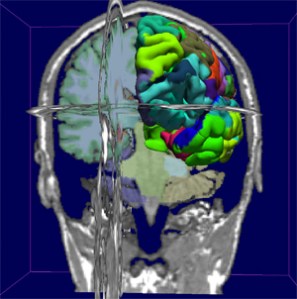
morph_slicer_demoThe brain is a wonderfully weird and strange organ to behold.  Its twists and folds, magnificent, in and of themselves, are even moreso when we contemplate that the very emotional experience of such beauty is carried out within the very folds.  Now consider the possibility of integrating these beauteous structure/function relationships with human history – via the human genome – and ask yourself if this seems like fun.  If so, check out the recent paper, “Genetic and environmental influences on the size of specific brain regions in midlife: The VETSA MRI study” [doi:10.1016/j.neuroimage.2009.09.043].
Here the research team – members of the Biomedical Informatics research Network – have carried out the largest and most comprehensive known twin study of brain structure.  By performing structural brain imaging on 404 male twin pairs (important to note here that the field still awaits a comparable female study), the team examined the differences in identical (MZ) vs. fraternal (DZ) pair correlations of the structure of some 96 different brain regions.  The authors now provide an updated structural brain map showing what structures are more or less influenced by genes vs. environment. Some of the highlights from the paper are that genes accounted for about 70% of overall brain volume, while in the cortex, genes accounted for only about 45% of cortical thickness.  Much of the environmental effects were found to be non-shared, suggesting, as expected, that individual experience can have strong effects on brain structure.  The left and right putamen showed the highest additive genetic influence, while the cingulate and temporal cortices showed rather low additive genetic influences (below 50%).

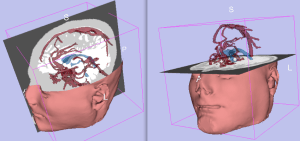
If you would like to play around with a free brain structure visualization tool, check out Slicer 3D, which can be obtained from the BIRN homepage or directly here.  I had fun this morning digitally slicing and dicing grey matter from ventricles and blood vessels.

slicer

Reblog this post [with Zemanta]

Read Full Post »

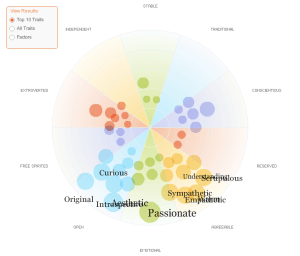
personality1With more and more genes being directly associated with personality or as moderators of correlations between personality and brain structure/function (here, here, here, here) it was fun to try out the latest online “big-5 personality profiler“.

10 mins of self-reflective fun.  My profile displayed at left.

Reblog this post [with Zemanta]

Read Full Post »

The hydrophobic cell membrane prevents charged...
Image via Wikipedia

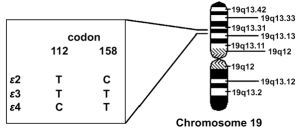
Few genes have been studies as intensely as apolipoprotein E (APOE).  In particular, one of its variants, the epsilon-4 allele has been especially scrutinized because it is correlated with an earlier onset (about 10 years earlier than average) of Alzheimer’s Disease.  Among the many roles of APOE – its just a tiny cholesterol binding protein – are those as participant in synaptic plasticity, early neural development, damage-response and other processes – all of which share the need for the synthesis and movement of neuronal membranes (see the fluid mosaic model) and their component parts – such as cholesterol.   Hence, whenever neural membranes are being synthesized (plasticity & development) or damaged (overstimulation and other sources of oxidative damage) the tiny APOE is there to help with its membrane stabilizing cholesterol molecule in hand. Over the course of a lifetime, routine damage to neuronal membranes adds up (particularly in the hippocampus where constant storage-recall memory functions place enormous demands on synaptic plasticity systems), and individuals (such as epsilon-4 carriers) may simply show more wear-and-tear because their version of APOE is not as optimal as the other forms (epsilon-2 and -3).

apoeWith this etiological model in mind, perhaps you would like to take better care of you cell membranes (much like your car mechanic implores to change your car’s spark plugs and oil to keep the engine clean on the inside).  Moreover, perhaps you would like to do-so especially if you knew that your APOE system was less optimal than average.  Indeed, results from the recent REVEAL study suggest that folks who are in their 50’s are not unduly distressed to make this genetic inquiry and find out their genotypic status at this APOE polymorphism – even though those who discovered that they were epsion-4 carriers reported more negative feelings, understandably.  Still, with a number of education and intervention strategies available, an optimistic outlook can prevail.

Furthermore, there are ever newer diagnostic strategies that can improve the rather weak predictive power of the genetic test.  For example, cognitive assessments that measure hippocampal-dependent aspects of memory or visual orienting have been shown to be valid predictors of subsequent dementia – even moreso in populations that carry the APOE epsilon-4 allele.  Other forms of neuroimaging that directly measure the structure and function of the hippocampus also have tremendous sensitivity (here for a broad review of imaging-genetics of AD) and can, in principle, provide a more predictive view into one’s distant future.

On the very cutting edge of this imaging-genetic crystal ball technology, lies a recent paper entitled, “Distinct patterns of brain activity in young carriers of the APOE-e4 allele” by Fillippini and colleagues [doi: 10.1073/pnas.0811879106].  Here, the research team asks whether individuals in their late 20’s show structural/functional brain differences that are related to APOE genotype.  They employ various forms of imaging analysis such as a comparison of brain activity when subjects were performing a novel vs. familiar memory task and also an analysis of so-called resting state networks – which reflect a form of temporal coherence (brain areas that oscillate in-sync with each other when subjects are lying still and doing nothing in the scanner).  For the analysis of the memory task, the team found that APOEe4 carriers showed more activation in the hippocampus as well as other brain regions like the anterior midbrain and cerebellum.  When the team analysed a particular resting state network – the default mode network – they found differences in the medial temporal lobe (containing head of the hippocampus and amygdala) as well as the medial prefronal cortex.  According to the paper, none of these differences could be explained by differences in the structure or resting perfusion of the young-adult brains in the study.

Wow, these results seem to suggest that decades before any mild cognitive impairments are observable, there are already subtle differences in the physiology of the APOEe4 brain – all of which could be detected using the data obtained in 6 minutes of rest. 6 minutes of rest and spit in a cup – what does the future hold?

Reblog this post [with Zemanta]

Read Full Post »

labyrinthine circuit board lines
Image by quapan via Flickr

Amidst a steady flow of upbeat research news in the behavioral-genetics literature, there are many inconvenient, uncomfortable, party-pooping sentiments that are more often left unspoken.  I mean, its a big jump – from gene to behavior – and just too easy to spoil the mood by reminding your colleagues that, “well, everything is connected to everything” or “that gene association holds only for that particular task“.  Such may have been the case often times in the past decade when the so-called imaging-genetics literature emerged to parse out a role for genetic variation in the structure and functional activation of the brain using various neuroimaging methods.  Sure, the 5HTT-LPR was associated with amygdala activation during a face matching task, but what about other tasks (and imaging modalities) and other brain regions that express this gene.  How could anyone (let alone NIMH) make sense out of all of those – not to mention the hundreds of other candidate genes poised for imaging-genetic research?

With this in mind, it is a pleasure to meet the spoiler-of-spoilers! Here is a research article that examines a few candidate genetic polymorphisms and compares their findings across multiple imaging modalities.  In his article, “Neural Connectivity as an Intermediate Phenotype: Brain Networks Under Genetic Control” [doi: 10.1002/hbm.20639] Andreas Meyer-Lindenberg examines the DARPP32, 5HTT and MAOA genes and asks whether their associations with aspects of brain structure/function are in any way consistent across different neuroimaging modalities.  Amazingly, the answer seems to be, yes.

For example, he finds that the DARPP32 associations are consistently associated with the striatum and prefrontal-striatal connectivity – even as the data were collected using voxel-based morphometry, fMRI in separate tasks, and an analysis of functional connectivity.  Similarly, both the 5HTT and MAOA gene promoter repeats also showed consistent findings within a medial prefrontal and amygdala circuit across these various modalities.

This type of finding – if it holds up to the spoilers & party poopers – could radically simplify the understanding of how genes influence cognitive function and behavior.  As suggested by Meyer-Lindenberg, “features of connectivity often better account for behavioral effects of genetic variation than regional parameters of activation or structure.”  He suggests that dynamic causal modeling of resting state brain function may be a powerful approach to understand the role of a gene in a rather global, brain-wide sort of way.  I hope so and will be following this cross-cutting “connectivity” approach in much more detail!

Reblog this post [with Zemanta]

Read Full Post »

Just echoing this article in Wired on the construction of the human version of the Allen Brain Atlas (mouse genome).  I happened to participate in the early rounds of market research on this … very exciting to see it coming online!

Read Full Post »

Just stumbled onto this great educational resource ….

From an article that describes NERVE:

We’ve Got NERVE: A Call to Arms for Neuroscience Education
Kyle J. Frantz, Colleen D. McNerney and Nicholas C. Spitzer
“Are we neuroscientists doing our part to help revive science education, to stimulate teachers’ ingenuity, and diversify the intellectual capital among the next generation of scientists? Certainly we support progressive initiatives, including a major international Brain Awareness Campaign, local chapter grants for Society for Neuroscience (SfN) members, and activist committees for media relations, but are we doing enough? To enable neuroscientists worldwide to step out of the laboratory or office periodically to visit nontraditional neuroscience education venues, the Society for Neuroscience Public Education and Communication Committee has launched NERVE, the Neuroscience Education Resources Virtual Encycloportal (Fig. 1). This web-based compendium of teaching materials went live in September 2008 and has already received >10,000 visits from >100 countries around the globe. NERVE’s offerings are many: videos to stimulate discussion at town hall meetings, lesson plans for visits to local schools, and hands-on activities to break up long lectures, just to name a few. Regardless of the topic or venue, NERVE aims to meet our neuroscience education needs.”

The Journal of Neuroscience, March 18, 2009, 29(11):3337-3339; doi:10.1523/JNEUROSCI.0001-09.2009

Read Full Post »

Daniel Weinberger and company have a new installment in-press at Biological Psychiatry in their epic program to untangle the genetic basis of schizophrenia – “Heritability of Brain Morphology Related to Schizophrenia: A Large-Scale Automated Magnetic Resonance Imaging Segmentation Study.” Like all complex illness, schizophrenia is regulated by a variety of environmental sources (perinatal complications, stress & substance abuse are a few) and equally regulated by heritable factors. Although several specific genes for schizophrenia have been painstakingly identified, the genes are expressed widely throughout the brain – making it difficult to pinpoint where in the brain the gene interacts with the environment to exert its detrimental effects. To solve this problem, Weinberger and colleagues pioneered a method known as imaging-genetics where they look at how individual genetic differences correlate with differences in brain structure or functional activity (if you ever have a chance to volunteer for an fMRI brain imaging study – go for it – it’ll be one of the top 10 weirdest experiences of your life). In their latest report, the team pioneers a new “fully-automated whole brain segmentation” technique to show that the genetic factors that put individuals at risk may be functioning vis-a-vis the hippocampus and neocortex. This narrows the search space a lot! and is a major step forward in beginning to localize where in the brain the genetic risk originates.

Reblog this post [with Zemanta]

Read Full Post »

The DISC1 mouse is a major step forward in a translational research path towards understanding how genes contribute to the risk of complex mental disorders such as schizophrenia. The latest mouse (see PNAS – Dominant-negative DISC1 transgenic mice display schizophrenia-associated phenotypes detected by measures translatable to humans by Hikida et al.) attempts to replace the normal mouse gene with a human mutation. The deficits parallel human abnormalities in a remarkable way. Note, however, that Joseph Gogos and colleagues (including my one-time boss Maria Karayiorgou) have shown (see PNAS -Disc1 is mutated in the 129S6/SvEv strain and modulates working memory in mice by Hiroko et al.) that an ostensibly normal mouse inbred strain (normal, that is, if you’re inbred for one, and a mouse, for another) carries a truncated form of DISC1. Both of these mouse models show deficits in frontal cortex dependent behaviors but, together, they also demonstrate how the many interacting genes in the background can modify and ameliorate the effects of a single mutation. Do the genes that modify DISC1 in mice modify risk in humans?

Reblog this post [with Zemanta]

Read Full Post »

« Newer Posts