Feeds:
Posts
Comments

Posts Tagged ‘Epigenetics’

rsrtlogoIt was a delight today to chat with Monica Coenraads, Executive Director of the Rett Syndrome Research Trust.  The RSRT has teamed up with a deeply focused world-class team of research scientists to translate the fruits of basic research on Rett syndrome into viable cures.   Whether you are a scientist, student or concerned family member, you will learn a lot from exploring the RSRT website, blog as well as this short video lectureJust by a strange, unanticipated coincidence, today marks the 10-year annivesary of the identification of MeCP2 as the underlying gene for Rett syndrome. Click here for prior blog posts on Rett syndrome.  (click here for podcast)

Reblog this post [with Zemanta]

Read Full Post »

Tao Te Ching
Image via Wikipedia

In previous posts, we have explored some of the basic molecular (de-repression of chromatin structure) and cellular (excess synaptogenesis) consequences of mutations in the MeCP2 gene – a.k.a the gene whose loss of function gives rise to Rett syndrome.  One of the more difficult aspects of understanding how a mutation in a lowly gene can give rise to changes in cognitive function is bridging a conceptual gap between biochemical functions of a gene product — to its effects on neural network structure and dynamics.  Sure, we can readily acknowledge that neural computations underlie our mental life and that these neurons are simply cells that link-up in special ways – but just what is it about the “connecting up part” that goes wrong during developmental disorders?

In a recent paper entitled, “Intact Long-Term Potentiation but Reduced Connectivity between Neocortical Layer 5 Pyramidal Neurons in a Mouse Model of Rett Syndrome” [doi: 10.1523/jneurosci.1019-09.2009] Vardhan Dani and Sacha Nelson explore this question in great detail.  They address the question by directly measuring the strength of neural connections between pyramidal cells in the somatosensory cortex of healthy and MeCP2 mutant mice.  In earlier reports, MeCP2 neurons showed weaker neurotransmission and weaker plasticity (an ability to change the strength of interconnection – often estimated by a property known as “long term potentiation” (LTP – see video)).   In this paper, the authors examined the connectivity of cortical cells using an electrophysiological method known as patch clamp recording and found that early in development, the LTP induction was comparable in healthy and MeCP2 mutant animals, and even so once the animals were old enough to show cognitive symptoms.  During these early stages of development, there were also no differences between baseline neurotransmission between cortical cells in normal and MeCP2 mice.  Hmmm – no differences? Yes, during the early stages of development, there were no differences between genetic groups – however – once the team examined later stages of development (4 weeks of age) it was apparent that the MeCP2 animals had weaker amplitudes of cortical-cortical excitatory neurotransmission.  Closer comparisons of when the baseline and LTP deficits occurred, suggested that the LTP deficits are secondary to baseline strength of neurotransmission and connectivity in the developing cortex in MeCP2 animals.

So it seems that MeCP2 can alter the excitatory connection strength of cortical cells.  In the discussion of the paper, the authors point out the importance of a proper balance of inhibition and excitation (yin and yang, if you will) in the construction or “connecting up part” of neural networks.  Just as Rett syndrome may arise due to such a problem in the proper linking-up of cells – who use their excitatory and inhibitory connections to establish balanced feedback loops – so too may other developmental disorders such as autism, Down’s syndrome, fragile X-linked mental retardation arise from an improper balance of inhibition and excitation.

Reblog this post [with Zemanta]

Read Full Post »

meme-art 5

switchboard

Read Full Post »

MECP2
Image via Wikipedia

The cognitive and emotional impairments in the autism spectrum disorders can be difficult for parents and siblings to understand and cope with.  Here are some graphics and videos that might assist in understanding how genetic mutations and epigenetic modifications can lead to various forms of social withdrawl commonly observed in the autism spectrum disorders in children.

In this post, the focus is just on the MecP2 gene – where mutations are known to give rise to Rett Syndrome – one of the autism spectrum disorders.  I’ll try and lay out some of the key steps in the typical bare-bones-link-infested-blogger-fashion – starting with mutations in the MecP2 gene.  Disclaimer: there are several fuzzy areas and leaps of faith in the points and mouse model evidence below, and there are many other genes associated with various aspects of autism spectrum disorders that may or may not work in this fashion.  Nevertheless, still it seems one can begin to pull a mechanistic thread from gene to social behavior Stay tuned for more on this topic.

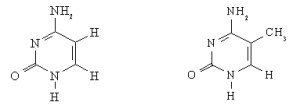
1. The MecP2 gene encodes a protein that binds to 5-Methylcytosine – very simply – a regular cytosine reside with an extra methyl group added at position 5.  Look at the extra -CH3 group on the cytosine residue in the picture at right.  See?  That’s a 5-methylcyctosine residue – and it pairs in the DNA double helix with guanosine (G) in the same fashion as does the regular cyctosine reside (C). 5methC OK, now, mutations in the gene that encode the  MecP2 gene – such as those found at Arginine residue 133 and Serine residue 134 impair the ability of the protein to bind to these 5-Methylcyctosine residues.  bindingMecP2The figure at left illustrates this, and shows how the MecP2 protein lines up with the bulky yellow 5-Methylcytosine residues in the blue DNA double helix during binding.
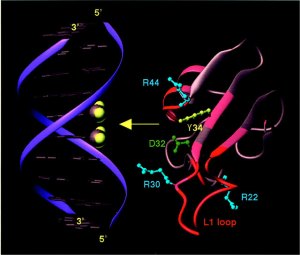
2. When the MecP2 protein is bound to the methylated DNA, it serves as a binding site for another type of protein – an HDAC or histone deacetylase. The binding of MecP2 and HDAC (and other proteins (see p172 section 5.3 of this online bookChromatin Structure and Gene Expression“)).  The binding of the eponymously named HDAC’s leads to the “de-acetylation” of proteins known as histones.  The movie below illustrates how histone “de-acetylation” leads to the condensation of DNA structure and repression or shutting down of gene expression (when the DNA is tightly coiled, it is inaccessible to transcription factors).  Hence: DNA methylation leads (via MecP2, HDAC binding) to a repression on gene expression.


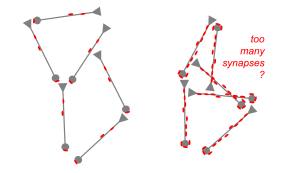
3. When mutated forms of MecP2 cannot bind, the net result is MORE acetylation and MORE gene expression. As covered previously here, this may not be a good thing during brain development since more gene expression can induce the formation of more synapses and – possibly – lead to neural networks that fail to grow and mature in the “normal” fashion. The figure at right toomanysynapsessuggests that neural networks with too many synapses may not be appropriately connected and may be locked-in to sub-optimal architectures.  Evidence for excessive synaptogenesis is abundant within the autism spectrum disorders.  Neuroligins – a class of genes that have been implicated in autism are known to function in cell & synaptic adhesion (open access review here), and can alter the balance of excitation/inhibition when mutated – which seems consistent with this heuristic model of neural networks that can be too adhesive or sticky.

4. Cognitive and social impairment can result from poor-functioning neural networks containing, but not limited to the amygdala. The normal development of neural networks containing the forntal cortex and amygdala are important for proper social and emotional function.  The last piece of the puzzle then would be to find evidence for developmental abnormalities in these networks and to show that such abnormalities mediate social and/or emotional function.  Such evidence is abundant.

Regarding the effects of MecP2 however, we can consider the work of Adachi et al., who were able to delete the MecP2 gene – just in the amygdala – of (albeit, an adult) mouse.  Doing so, led to the disruption of various emotional behaviors – BUT NOT – of various social interaction deficits that are observed when MecP2 is deleted in the entire forebrain.  This was the case also when the team infused HDAC inhibitors into the amygdala suggesting that loss of transcriptional repression in the adult amygdala may underlie the emotional impariments seen in some autism spectrum disorders.  Hence, such emotional impairments (anxiety etc.) might be treatable in adults (more on this result later and its implications for gene-therapy).

Whew!  Admittedly, the more you know – the more you don’t know.  True here, but still amazing to see the literature starting to interlink across human-genetic, mouse-genetic, human-functional-imaging levels of analysis. Hoping this rambling was helpful.

Reblog this post [with Zemanta]

Read Full Post »

Violinist marionette performs
Image by eugene via Flickr

The homunculus (argument) is a pesky problem in cognitive science – a little guy who might suddenly appear when you propose a mechanism for decision making, spontaneous action or forethought  etc. – and would take credit for the origination of the neural impulse.  While there are many mechanistic models of decision making that have slain the little bugger – by invoking competition between past experience and memory as the source of new thoughts and ideas – one must always tread lightly, I suppose, to be wary that cognitive mechanisms are based completely in neural properties devoid of a homuncular source.

Still, the human mind must begin somewhere.  After all, its just a ball of cells initially, and then a tube and then some more folds, layers, neurogenesis and neural migration  etc. before maturing – miraculously – into a child that one day looks at you and says, “momma” or “dada”.  How do these neural networks come into being?  Who or what guides their development toward that unforgettable, “momma (dada)” moment?  A somewhat homuncluar “genetic program” – whose instructions we can attribute to millions of years of natural selection?  Did early hominid babies say “momma (dada)?  Hmmm. Seems like we might be placing a lot of faith in the so-called “instructions” provided by the genome, but who am I to quibble.

On the other hand, you might find that the recent paper by Akhtar et al., “Histone Deacetylases 1 and 2 Form a Developmental Switch That Controls Excitatory Synapse Maturation and Function” [doi:10.1523/jneurosci.0097-09.2009] may change the way you think about cognitive development.  The team explores the function of two very important epigenetic regulators of gene expression – histone deacetylases 1,2 (HDAC1, HDAC2) on the functionality of synapses in early developing mice and mature animals.  By epigenetic, I refer to the role of these genes in regulating chromatin structure and not via direct, site-specific DNA binding.  The way the HDAC genes work is by de-acetylating – removing acetyl groups – thus removing a electrostatic repulsion of acetyl groups (negative charge) on histone proteins with the phosphate backbone of DNA (also a negative charge).  When the histone proteins carry such an acetyl group, they do NOT bind well to DNA (negative-negative charge repulsion) and the DNA molecule is more open and exposed to binding of transcription factors that activate gene expression.  Thus if one (as Akhtar do) turns off a de-acetylating HDAC gene, then the resulting animal has a genome that is more open and exposed to transcription factor binding and gene expression.  Less HDAC = more gene expression!

What were the effects on synaptic function?  To summarize, the team found that in early development (neonatal mouse hippocampal cells) cells where the HDAC1 or 2 genes were turned off (either through pharmacologic blockers or via partial deletion of the gene(s) via lentivirus introduction of Cre recombinase) had more synapses and more synaptic electrical activity than did hippocampal cells from control animals.  Keep in mind that the HDACs are located in the nucleus of the neuron and the synapses are far, far away.  Amazingly – they are under the control of an epigenetic regulator of gene expression;  hence, ahem, “epigenetic puppetmasters”.  In adult cells, the knockdown of HDACs did not show the same effects on synaptic formation and activity.  Rather the cells where HDAC2 was shut down showed less synaptic formation and activity (HDAC1 had no effect).  Again, it is amazing to see effects on synaptic function regulated at vast distances.  Neat!

The authors suggest that the epigenetic regulatory system of HDAC1 & 2 can serve to regulate the overall levels of synaptic formation during early cognitive development.  If I understand their comments in the discussion, this may be because, you don’t necessarily want to have too many active synapses during the formation of a neural network.   Might such networks might be prone to excitotoxic damage or perhaps to being locked-in to inefficient circuits?  The authors note that HDACs interact with MecP2, a gene associated with Rett Syndrome – a developmental disorder (in many ways similar to autism) where neural networks underlying cognitive development in children fail to progress to support higher, more flexible forms of cognition.  Surely the results of Akhtar et al., must be a key to understanding and treating these disorders.

Interestingly, here, the controller of these developmental phenotypes is not a “genetic program” but rather an epigenetic one, whose effects are wide-spread across the genome and heavily influenced by the environment.  So no need for an homunculus here.

Reblog this post [with Zemanta]

Read Full Post »

Pyramidal cell -  A human neocortical pyramida...
Image via Wikipedia

Among the various (and few) significant results of recent landmark whole-genome analyses (involving more than 54,000 participants) on schizophrenia (covered here and here), there was really just one consistent result – linkage to the 6p21-22 region containing the immunological MHC loci.  While there has been some despair among professional gene hunters, one man’s exasperation can sometimes be a source of great interest and opportunity for others – who – for many years – have suspected that early immunological infection was a key risk factor in the development of the disorder.

Such is the case in the recent paper, “Prenatal immune challenge induces developmental changes in the morphology of pyramidal neurons of the prefrontal cortex and hippocampus in rats” by Baharnoori et al., [doi: 10.1016/j.schres.2008.10.003].  In this paper, the authors point out that Emil Kraepelin, who first described the disorder we now call schizophrenia, had suggested that childhood inflammation of the head might be an important risk factor.  Thus, the immunopathological hypothesis has been around since day 0 – a long time coming I suppose.

In their research article, Baharnoori and colleagues have taken this hypothesis and asked, in a straightforward way, what the consequences of an immunological challenge on the developing brain might look like.  To evaluate this question, the team used a Sprague-Dawley rat model and injected pregnant females (intraperitoneally on embryonic day 16) with a substance known as lipopolysaccharide (LPS) which is known to mimic an infection and initiate an immune response (in a manner that would normally depend on the MHC loci found on 6p21-22). Once the injections were made, the team was then able to assess the consequences to various aspects of brain and behavior.

In this paper, the team focused their analysis on the development of the frontal cortex and the hippocampus – 2 regions that are known to function poorly in schizophrenia.  They used a very, very focused probe of development – namely the overall shape, branching structure and spine formations on pyramidal cells in these regions – via a method known as Golgi-Cox staining.  The team presents a series of fantastically detailed images of single pyramidal cells (taken from postnatal day 10, 35 and 60) from animals who’s mothers were immunologically challenged and those who were unexposed to LPS.

Briefly, the team finds that the prenatal exposure to LPS had the effect of reducing the number of dendritic spines (these are the aspects of a neuron that are used to make synaptic connections with other neurons) in the developing offspring.  Other aspects of neuronal shape were also affected in the treated animals – basically amounting to a less branchy, less spiny – less connectable – neuron.  If that’s not a basis for a cognitive disorder than what else is?  Indeed, the authors point out that such spines are targets – in early development – for interneurons that are essential for long-range gamma oscillations that help distant brain regions function together in a coherent manner (something that notably does not happen in schizophrenia).

Thus, there is many a reason (54,000 strong) to want to better understand the neuro-immuno-genetic-developmental mechanisms that can alter neuronal structure.  Exciting progress in the face of recent genetic setbacks!
mineshaft_comic

Reblog this post [with Zemanta]

Read Full Post »

Human chromosome 15
Image via Wikipedia

One way to organize the great and growing body of research into autism is via a sort-of  ‘top-down’ vs. ‘bottom-up’ perspective.  From the ‘top-down’ one can read observational research that carefully catalogs the many & varied social and cognitive attributes that are associated with autism.  Often times, these behavioral studies are coupled with neurochemical or neuroimaging studies that test whether variation in such biomarkers is correlated with aspects of autism.  In this manner, the research aims to dig down into the physiology and biochemistry of the developing brain to find out what is different and what differences might predict the onset of autistic traits.  At the deepest biological level – the bedrock, so to speak – are a number of genetic variations that have been correlated with autism.  These genetic variants permit another research strategy – a ‘bottom-up’ strategy that allows investigators to ask, “what goes wrong when we manipulate this genetic variant?”  While proponents of each strategy are painfully aware of the limitations of their own strategy – oft on the barbed-end of commentary from the other side – it is especially exciting when the ‘top-down’ and ‘bottom-up’ methods find themselves meeting in the agreement in the middle.

So is the case with Nakatani et al., “Abnormal Behavior in a Chromosome- Engineered Mouse Model for Human 15q11-13 Duplication Seen in Autism” [doi: 10.1016/j.cell.2009.04.024] who created a mouse that carries a 6.3 megabase duplication of a region in the mouse that luckily happens to be remarkably conserved in terms of gene identity and order with the 15q11-13 region in humans – a region that, when duplicated, is found in about 5% of cases with autism.  [click here for maps of mouse human synteny/homology on human chr15] Thus the team was able to engineer mice with the duplication and ask, “what goes wrong?” and “does it resemble autism in any kind of meaningful way (afterall these are mice we’re dealing with)?

Well, the results are rather astounding to me.  Most amazing is the expression of a small nucleoar RNA (snoRNA) – SNORD115 (mouse-HBII52) – that function in the nucleolus of the cell, and plays a role in the alternative splicing of exon Vb of the 5HT2C receptor.  The team then found that the editing of 5HTR2C was altered in the duplication mice and also that Ca++ signalling was increased when the 5HTR2C receptors were stimulated in the duplication mice (compared to controls).  Thus, a role for altered serotonin function – which has been a longstanding finding in the ‘topdown’ approach – was met midway and affirmed by this ‘bottom-up’ approach!  Also included in the paper are descriptions of the abberant social behaviors of the mice via a 3-chambered social interaction test where duplication mice were rather indifferent to a stranger mouse (wild-type mice often will hang out with each other).

Amazing stuff!

Another twist to the story is the way in which the 15q11-13 region displays a phenomenon known as genomic-imprinting, whereby only the mother or the father’s portion of the chromosome is expressed.  For example, the authors show that the mouse duplication is ‘maternally imprinted’ meaning that that pups do not express the copy of the duplication that comes from the mother (its expression is shut down via epigenetic mechanisms that involve – wait for itsnoRNAs!)  so the effects that they report are only from mice who obtained the duplication from their fathers.  So, if you by chance were wondering why its so tough to sort out the genetic basis of autism – here’s one reason why.  On top of this, the 5HTR2C gene is located on the X-chromosome which complicates the story even more in terms of sorting out the inheritance of the disorder.

Further weird & wild is the fact that the UBE3A gene (paternally imprinted) and the genetic cause of Angelman Syndrome sits in this region – as does the SNRPN gene (maternally imprinted) which encodes a protein that influences alternative RNA splicing and also gives rise to Prader-Willi syndrome.  Thus, this tiny region of the genome, which carries so-called “small” RNAs can influence a multitude of developmental disabilities.  Certainly, a region of the genome that merits further study!!

Reblog this post [with Zemanta]

Read Full Post »

Nuclear receptor related 1 protein
Image via Wikipedia

Yesterday, there were some grumblings on the nomination of Francis Collins to the head of NIH.  Some folks feel that the genome-wide, genome-everything approach to medicine has somewhat over-promised and under-delivered in its promise to elucidate the molecular pathways of human disease.  In the field of mental health, the whole-genome era is just now dawning and ever more, ever larger studies are reporting the results of GWAS and other global sweeps for genetic risk.  So, its fair to ask whether the whole-genome approach hath bourne the promised fruit.  Exactly, how much of the overall risk of illness can we account for using the present genetic knowledge? I’d like to know & will be working to track this “bottom line” statistic in the future.

However, I suspect that the numbers may be humbling.  In part, because of the tricky ways in which the genome interacts with the pre- & post-natal environment during development.  For example, consider the recent paper by Saijo et al. “A Nurr1/CoREST Pathway in Microglia and Astrocytes Protects Dopaminergic Neurons from Inflammation-Induced Death” [doi 10.1016/j.cell.2009.01.038].  Here the team considers neurodegenerative processes and how the tissues of the brain cope with unwanted oxidative pro-inflammatory damage.  Specifically, the team shows that Nurr1, a so-called orphan nuclear receptor that is known to regulate the development of midbrain dopamine neurons, actually has another function – one that occurs inside the microglia of the brain (special macrophage-like cells of the brain that can clear infection – ideally without harming surrounding neural circuitry).  The team injected (into the midbrain) an evil, bacteria-like, oxidative sludge known as lipopolysaccharide (LPS) which triggers a full-blown immunologic alarm that often has the unwanted side-effect of inducing the death of dopaminergic neurons.  This is very BAD – as it creates a Parkinsonian condition – but, nevertheless is something that our bodies and brain must cope with throughout our life-cycle since we’re always being exposed to bacteria and other pathogens.  The team finds that the cytotoxic response of microglia is repressed by Nurr1 such that when Nurr1 expression is blocked,  the microglia are more active and then, unfortunately, cause more collateral damage to the dopaminergic cells in their efforts to clear the LPS.  So it seems that Nurr1 helps to save dopaminergic neurons by dampening down the normal inflammation response systems that – when faced with foreign infections – can cause collateral damage in their efforts to clear the infection.  Wow, so Nurr1 helps to give birth to dopamine neurons and to keep them safe from harm. Such a gene, is one I’d hope would work well.  Not surprisingly, mutations in Nurr1 have been associated with the risk of Parkinson’s Disease.

More interestingly, the way in which Nurr1 seems to carry out its regulation of this very common type of gene-x-environment (infection) interaction is through a so-called CoREST repressor complex which is implicated in various epigenetic forms of gene regulation – which can have long-lasting effects on cells, perhaps long-after the infection has cleared.

Thus, just this one story around little, itty bitty DNA binding factor Nurr1, who, alone can’t account for more than a hair’s worth of genetic risk, may, in fact, play a critical role in the onset of complex mental illness.  It would seem perhaps that identifying genetic risk factors may only be the beginning of a long, complex search for the biological roots of mental disability – where genes and environment weave intractable tales.

Reblog this post [with Zemanta]

Read Full Post »

A grandmother with her granddaughter
Image via Wikipedia

Among mammalian species, moms can have it rough. THEY do the foraging and the child rearing usually without the help of dad who may or may not be prancing about defending his territory or doing who knows what.  The biological systems that manage such a predicament for the female would, not surprisingly, be highly regulated and, I imagine, a major target of natural selection.  For example, conflicts between what’s best for the offspring and what’s best for mom could drive the evolution of genetic and epigenetic mechanisms that counter-balance the tendency of moms to conserve resources and for offspring to use resources.  One such epigenetic mechamism that has been implicated in parent-offspring conflict is so-called genomic imprinting – wherein certain epigenetic marks (methylation of C*pG’s in many cases) leads to the expression of genes a parent-of-origin-type manner (eg. the gene inherited from mom might be expressed while the gene inherited from dad would be transcriptionally repressed).

With this link between epigenetics and maternal investment in mind (and with Mother’s Day around the corner) I enjoyed the recent paper, “Lasting Epigenetic Influence of Early-Life Adversity on the BDNF Gene” by Roth and colleagues [doi: 10.1016/j.biopsych.2008.11.028] where they measured the relationship between BDNF expression and methylation as a function of maternal behavior (in stressful and non-stressful) conditions.  Like many other neuronally-expressed genes, stress seems to lead to more methylation, which can – sometimes – interfere with transcription.  In the Roth et al., paper, BDNF seems to show this pattern as well since BDNF was downregulated about 50% in the prefrontal cortex of rat pups who were reared under stressful conditions.  Concomitant increases in methylation in the pups (which was blocked with methyltransferase inhibitors) was examined as a possible reason for the BDNF downregulation.  Most interestingly, the female pups who were raised by stressed moms – were themselves lousy moms (demonstrated poor licking and grooming behavior) and gave birth to pups (granddaughters) who also bore similar epigenetic marks on BDNF.

Is this maternal-care/epigenetics phenomena related to parent-offspring conflict?  Perhaps so, or perhaps just a spandrel or an unintended consequence of other levels of regulation.  It will be fun to explore this further.  Until then – be sure to thank your GRANDmother on Mother’s Day! – or not, if your are poorly groomed.

Reblog this post [with Zemanta]

Read Full Post »

Turn and Cry
Image by allthewhile via Flickr

It is commonly known that some of us handle stress better than others.  Some can calmly accept the dire economic news of an impending layoff while others may fret incessantly day-in-and-out and endure many a sleepless night.  Why ?  What are some of the brain systems that mediate the effects of accute and chronic stress ? What genetic and environmental differences might influence the development of these systems ?

In an ongoing set of experiments, Professor Michael Meaney’s laboratory has focused on the role of the glucocorticoid receptor (GR) and its role as a feedback modulator in the so-called hypothalamic-pituitary-adrenal (HPA) axis.  A number of experiments have shown that upregulation of the GR is somewhat beneficial insofar as it dampens the deleterious rise of circulating corticosteroids during stress.  Therefore, any mechanism that downregulates or blocks the expression of GR may make it harder for a person to cope with the typical physiologic responses (increases in corticosteroids) to stressful experiences (news of a layoff).

What Professor Meaney’s lab has shown so convincingly over the past several years is that individual differences in the reactivity of the HPA system are heavily influenced by maternal and early life experience.  That is, offspring (often rat or mouse pups) who have attentive mothers who keep them warm and well groomed, have more responsive HPA systems that more readily dampen the deleterious rise of corticosteroids in response to steroids.  In some cases, the level of maternal care is enough to modify the level of CpG methylation in the promoter region of the glucocorticoid receptor.  This type of “epigenetic” form of gene regulation is a way in which the promoter region can be altered in a long-term manner given a particular early-life experience.  Unfortunately, this type of epigenetic mark, can lead to life-long difficulty in managing stress.

Their recent paper, “Epigenetic regulation of the glucocorticoid receptor in human brain associates with child abuse” [doi 10.1038/nn.2270]  explores the extent of CpG methylation in post-mortem tissue (hippocampus) from 24 individuals who tragically passed away in completion of suicide.  The research team compared the levels of methylation (via bisulfite mapping) in the GR promoter region and found that there was significantly more methylation in (n=12) individuals who had a recorded history of childhood abuse (sexual contact, severe physical abuse and/or severe neglect) as compared to (n=12) individuals with no history of abuse (their CpG levels were not distinguishable from control tissue).  Thus (as confirmed by qRT-PCR) it seems as if epigenetic marks were visible in the genomes of hippocampal cell nuclei – which may have very well been written during early childhood trauma – and may have exacerbated the difficulties these individuals may have had in coping with psychosocial stress.

Further studies conducted by the team evaluate the possibility that the sites of abuse-induced-CpG methylation have the effect of blocking the binding of the EGR1 transcription factor which provides an additional mechanistic part in a larger complex of proteins that transduce the effects of experience into long-lasting behavioral predispositions.

For more on the exciting rise of epigenetics and its role in nature-meets-nuture and cognitive development click here.

Reblog this post [with Zemanta]

Read Full Post »

Few may pause on February 12 to note the 200 year anniversary of the birth of Charles Darwin and 150 years since the publication of  “On the Origin of Species” (click here to download).  To some extent, this may be expected since much of the controversy  (creator vs. autonomous biochemical processes) seems to have abated – NOT.  Politically, the issues are still red hot – in Kansas – and elsewhere across the globe.

But what about the science ?  Do we accept the basic tenets of evolution by way of genetic variation and natural selection ?  For goodness sake, I mean, we’ve just about (or soon will have) sequenced every living organsim-on-the-planet’s genome.  Surely there is no doubt about the validity of the so-called neo-Darwinian synthesis of basic/population genetics and the theory of evolution by natural selection.   Is there ?  Perhaps you can’t blame folks for trying to poke holes (as covered extensively by Sandwalk), especially on the big 200th anniversary.

One place where I am hearing some buzz on the teetering of neo-Darwinism and the Modern Synthesis lately is in the area of epigenetics.   Consider the paper by Arai et al., entitled, “Transgenerational rescue of a genetic defect in long-term potentiation and memory formation by juvenile enrichment” [doi: 10.1523/jneurosci.5057-08.2009].  In this paper, the researchers measured a trait known as long-term potentiation (LTP), wherein a synapse fires in a longer and stronger fashion.  This type of potentiation is thought to be a basic mechanism that neural networks use in learning and memory formation.  In their paper, the team found that certain synapses in the hippocampus were potentiated when animals were exposed to an “enriched” environment (normally mice are caged in empty bins lined with woodchips, but an enriched environment is one filled with tunnels, hidden passages, toys, ropes to climb & other stuff to discover and learn about).  The team shows that, in response to an enriched environment, the mice acquire the LTP trait.

The next thing the team found was that the offspring of female (but not male) mice that had acquired the LTP trait – did also show the LTP trait – even when they, themselves, did not experience the enriched environment.  Thus, the so-called acquired trait (LTP) was inherited by the offspring.  Hmmmm – sounds a bit Lamarckian to me, or, as the authors of this research article suggest, “Lamarckian-like”.  Is this a case that violates core tenets of the modern synthesis ?  Does it besmirch Darwin on his 200th birthday ?

No.  Here’s why in a nutshell.  The LTP trait is not passaged via the female germ line.  That is, the physiological and genetic (gene expression) changes that lead to LTP in the mothers are not encoded in the genome of her eggs.  Indeed, her haploid egg cells were set aside long, long before she ever experienced the enriched environment and acquired the LTP trait.  Rather the effect is one that seems to be dependent on her uterine environment and ability to transfer information from unterine milieu to developing offspring – whose developing brains seem to be endowed with the molecular components needed to facilitate LTP.  Figure 4c of the paper shows that the LTP trait was lost in the F2 generation – therefore the effect is not stably transmitted via the germline (as plain vanilla DNA mutations are).

For an overview of the complexities of incorporating the Central Dogma of Molecular Biology into the Theory of Evolution by Natural Selection, read chapter 4 (p76) Weismann, Lamarck and The Central Dogma of John Maynard Smith‘s book “The Theory of Evolution“.  Maynard Smith credits August Weismann’s germ plasm theory as a key factor in the modern synthesis since – by sequestering the germ line very early in development – acquired characteristics cannot be inherited via egg & sperm.  Hence, Lamarckian evolution is (in principle) not possible.  This seems to be the case here with the LTP trait.  In this spirit, the authors do a great job of reviewing other similar examples of how a mother’s uterine environment can lead to epigenetic modifications (click here for review article and here for a PLoS paper on the topic) – such as the viable yellow locus in the mouse [PMID: 18673496] and the effects of endocrine disruptors on methylation of germ cells [PMID: 16973726].

Well, it is amazing indeed how Darwin’s work continues to inspire us.  Happy 200th Birthday !

Reblog this post [with Zemanta]

Read Full Post »

Lamarck, late in life.Image via Wikipedia The “Central Dogma” of molecular biology rightfully points out a somewhat one-way transfer of information from DNA to RNA to protein. This mechanism has obvious implications for evolution insofar as you are issued a newly shuffled genome at birth and must make the best of it – no cheating allowed by receiving the acquired levels of fitness of your parents – since these cannot be transmitted via the bare thread of DNA. This being the case, however, it is, of course, fun to encounter ways in which mother nature skirts the rules. The term ‘mother‘ is particularly apt to the work of Michael Meaney and colleagues in Montreal, who have for many years been teasing apart mechanisms underlying maternal care in mammals. It seems that when a female rat has been deprived of good mothering (copious licking & grooming are the traits of a good rat mom) they, themselves, also demonstrate poor mothering skills (sadly, daughters DO grow up to be their mothers). The Meany group provide a great review of the mechanisms of this seeming example of “inheritance of acquired characteristics” in their review, “Epigenetic Programming of Phenotypic Variations in Reproductive Strategies in the Rat Through Maternal Care” [DOI: 10.1111/j.1365-2826.2008.01725.x]. Apparently, this mode of inheritance is dependent on the early development of neuro-endocrine circuits that regulate emotional responsivity and are dependent on early, neonatal environmental stimulation (licking & grooming activate these developing circuits) – and is not dependent on the sperm/egg-bourne passage of a particular stretch of DNA. Interestingly though, the team demonstrates that genomic CpG hypermethylation of the estrogen receptor might serve as a mechanism to maintain the effect – at the level of the genome – of the mother’s poor parenting. Mom’s who were poorly cared for as infants may have a hypermethylated estrogen receptor and therefore are more likely to demonstrate poor parenting in adulthood as a result of the maintainence of this methylated (transcriptionally repressed) estrogen receptor. More interestingly, the team has recently begun to investigate this mechanism in humans, and reported that in post-mortem analysis of hippocampal tissue from individuals who experienced early life neglect and, tragically, suffered death from suicide, that there seems to be a similar type of hypermethylation. Their PLoS ONE article, “Promoter-Wide Hypermethylation of the Ribosomal RNA Gene Promoter in the Suicide Brain” [DOI: 10.1371/journal.pone.0002085] provides an analysis of promoters of rRNA genes in the hippocampus – a brain region whose development and structure is negatively affected by environmental stress and neglect. This is a line of research that is interesting on many levels – from Lamarck to Freud. As a parent, the work shows how important it is to understand & appreciate the role of parenting and social welfare in mental health.

Reblog this post [with Zemanta]

Read Full Post »

TATA-binding protein (TBP) recognizes TATA seq...Image via Wikipedia Siming Shen et al., in their paper, Age-dependent epigenetic control of differentiation inhibitors is critical for remyelination efficiency provide insight on basic mechanisms of myelination. While myelination (think of it as the plastic insulation on copper electrical wires) makes normally developing neural networks much more efficient, it has a way of inhibiting the re-development and repair of mature neural circuits. The research team shows that recruitment of histone deacetylases (HDACs) is rather inefficient in mature oligodendrocytes precursor cells (the cells that adhere to bare neuronal axons and form the insulating myelin-rich sheath) in contrast to younger cells which differentiate readily. HDAC1 and HDAC2 are shown to down-regulate of Hes5 and Sox2, which have previously been implicated in blocking the differentiation of stem cells to oligodendrocytes. Here, the term ‘epigenetic’ refers to the mechanism of gene regulation – not by way of transcription factors binding to specific sequences – but rather, by factors being sterically blocked from binding by the 3-dimensional superstructure of the chromosome that occurs when histone proteins are deacetylated. The team suggests that as the brain ages, it becomes more difficult to recruit HDAC1,2 to the promoters needed to shut down the expression of the differentiation inhibitors. The results pose a confound for the certain applications of inhibitors of histone deacetylases (HDACi) which have demonstrated anti-tumor activity – but may – as suggested by this article – have negative consequences on brain repair processes.

Reblog this post [with Zemanta]

Read Full Post »

Human Embryonic Stem cell colony on mouse embr...Image via Wikipedia There is rightly much ado over the recent stem cell breakthrough. Indeed, who wouldn’t want to have an eternal supply of sprightly new cells to swap in to replace run-down geezer cells. Swapping in a neuron, however, is not quite so simple, as these cells are highly differentiated with far reaching projections and specific connections that have been pruned based on a lifetime of experience (ie. memories). Such is the dilemma of a neuron – how to stay fit and maintain that luxuriant bushy morphology and experience-pruned connectivity for 100 years or more ? Wu and company, in their recent paper, “Regulation of Dendritic Development by Neuron-Specific Chromatin Remodeling Complexes(DOI) show that neurons employ specialized SWI/SNF-like chromatin remodeling machinery to maintain dendritic arbor. Neurons from mice lacking BAF53b showed poor activity-dependent dendritic growth which is an amazing and profound result. This is because the dendrites are far, far, far away from the nucleus and yet, remodeling of nuclear DNA is exerting regulatory control over activity-dependent morphology changes. Beautiful bodies and smart as well !

Reblog this post [with Zemanta]

Read Full Post »

« Newer Posts