“Holding on to anything is like holding on to your breath. You will suffocate. The only way to get anything in the physical universe is by letting go of it. Let go & it will be yours forever.”

“Holding on to anything is like holding on to your breath. You will suffocate. The only way to get anything in the physical universe is by letting go of it. Let go & it will be yours forever.”
Posted in Uncategorized | Tagged Art, Arts | 1 Comment »

Yoga instructors will sometimes speak loosely of a wider and greater consciousness that exists beyond our own limited mental world – a consciousness that we all belong to.
I know its a stretch, but I wondered how Twitter and other social media might reflect a existing (and searchable) sort-of shared consciousness. I had some fun exploring Twitter and how folks think (and tweet) about yoga … just a few glimpses using PeopleBrowsr and Trendistic and other tools. I don’t think Patanjali would have been impressed by the shared sentiments that are tweeted and re-re-re-re-tweeted etc.
For the past 30 days there were 44,614 per day mentions of “yoga” on Blogger, 254/day on Facebook, 64/day on MySpace and 5,791/day on Twitter.
Here are the most common words that flank the word “yoga” in these various mentions:
15,602 love
15,383 make
14,148 music
11,125 hate
11,066 shopping
10,873 eating
10,579 class
10,446 books
9,643 good
9,449 #yoga
 Natural language processing software can distinguish between positive and negative sounding sentiments and both TweetSentiments and Twitter TipTop suggest that there is a 2:1 positive bias for yoga tweets (check out the negative tweets here – they’re usually not really dissing yoga).
Lastly, for the past 6 months, the word yoga is mentioned pretty regularly, but with occasional spikes in popular stories involving yoga. The spike in yoga tweets back in May was from a story of how yoga eases sleep problems in cancer survivors and around Oct 7th there was a story on yoga and Christianity which I recall zipped around a lot in the blogosphere/twitterverse.

Posted in Uncategorized | Tagged Social network, Twitter | 3 Comments »

This is a cross post from my other “science & self-exploration” blog about mindfulness and the mind-body connection (yoga).
In 2009, Elizabeth Blackburn received the Nobel Prize in Physiology or Medicine for her work on the biology of so-called telomeres – the DNA sequences found at the end of our chromosomes (actually just a repeating sequence of TTAGGG). The very cool thing about telomeres is that the overall length of these sequences (number of repeating units of TTAGGG) correlates with life-span. This is because as cells in your body are born, they go through a number of cell divisions (each time the cell divides, the telomeres shorten) until they go kaput (replicative senescence). Amazingly, regular cells like these (that normally die after several cell divisions) can be induced to live far longer by simply – lengthening their telomeres (increasing the amount of a telomere lengthening enzyme known as telomerase) – which is why some think of telomeres as the key to cellular immortality.
Imagine your own longevity if all your cells lived twice as long.
With this in mind, it was awesome to read a paper by Dr. Blackburn and colleagues entitled, “Can Meditation Slow Rate of Cellular Aging? Cognitive Stress, Mindfulness, and Telomeres” [doi: 10.1111/j.1749-6632.2009.04414.x]. The authors carefully ponder – but do not definitively assert – a connection between meditative practices and telomere length (and therefore, lifespan). The main thrust of the article is that there are causal links between cellular stress and telomere length AND causal links between physiological stress and meditative practices. Might there, then, be a connection between meditative practices and telomere length?
Above we have reviewed data linking stress arousal and oxidative stress to telomere shortness. Meditative practices appear to improve the endocrine balance toward positive arousal (high DHEA, lower cortisol) and decrease oxidative stress. Thus, meditation practices may promote mitotic cell longevity both through decreasing stress hormones and oxidative stress and increasing hormones that may protect the telomere.
Given that eastern meditative practices are thousands of years old, its strange to say, but these are early days in beginning to understand HOW – in terms of molecular processes – these practices might influence health.
Still, I think I’ll send some thoughts to my telomeres next meditation session!

Posted in Mindfulness | Tagged aging, Cognition, telomeres | 2 Comments »

You already know this, but when you are stressed out (chronic stress), your brain doesn’t work very well. That’s right – just when you need it most – your brain has a way of letting you down!
Here are a few things that happen to the very cells (in the hippocampus) that you rely on:
– reorganization within mossy fiber terminals
– loss of excitatory glutamatergic synapses
– reduction in the surface area of postsynaptic densities
– marked retraction of thorny excrescences
– alterations in the lengths of the terminal dendritic segments of pyramidal cells
– reduction of the dorsal anterior CA1 area volume
Thanks brain! Thanks neurons for abandoning me when I need you most! According to this article, these cellular changes lead to, “impaired hippocampal involvement in episodic, declarative, contextual and spatial memory – likely to debilitate an individual’s ability to process information in new situations and to make decisions about how to deal with new challenges.” UGH!
Are our cells making these changes for a reason? Might it be better for cells to remodel temporarily rather than suffer permanent, life-long damage? Perhaps. Perhaps there are molecular pathways that can lead the reversal of these allostatic stress adaptations?
Check out this recent paper: “A negative regulator of MAP kinase causes depressive behavior” [doi 10.1038/nm.2219] the authors have identified a gene – MKP-1 – a phosphatase that normally dephosphorylates various MAP kinases involved in cellular growth, that, when inactivated in mice, produces animals that are resistant to chronic unpredictable stress. Although its known that MKP-1 is needed to limit immune responses associated with multi-organ failure during bacterial infections, the authors suggest:
“pharmacological blockade of MKP-1 would produce a resilient of anti-depressant response to stress”
Hmmm … so Mother Nature is using the same gene to regulate the immune response (turn it off so that it doesn’t damage the rest of the body) and to regulate synaptic growth (turn it off – which is something we DON’T want to do when we’re trying to recover from chronic stress)? Mother Nature gives us MKP-1 so I can survive an infection, but the same gene prevents us from recovering (finding happiness) from stress?
Of course, we do not need to rely only on pharmacological solutions. Exercise & social integration are cited by these authors as the top 2 non-medication strategies.
Posted in Hippocampus, MAPK, MKP-1 | Tagged Brain, Chemical synapse, Chronic stress, Depression, Gene expression, Hippocampus, Memory, Neuron, Pyramidal cell, Stress | 2 Comments »
The quote is from Charles Baudelaire, and the weirdness of yoga is a great example of a strange, inescapable attractive force.
Posted in Uncategorized | Tagged Art, Arts | Leave a Comment »
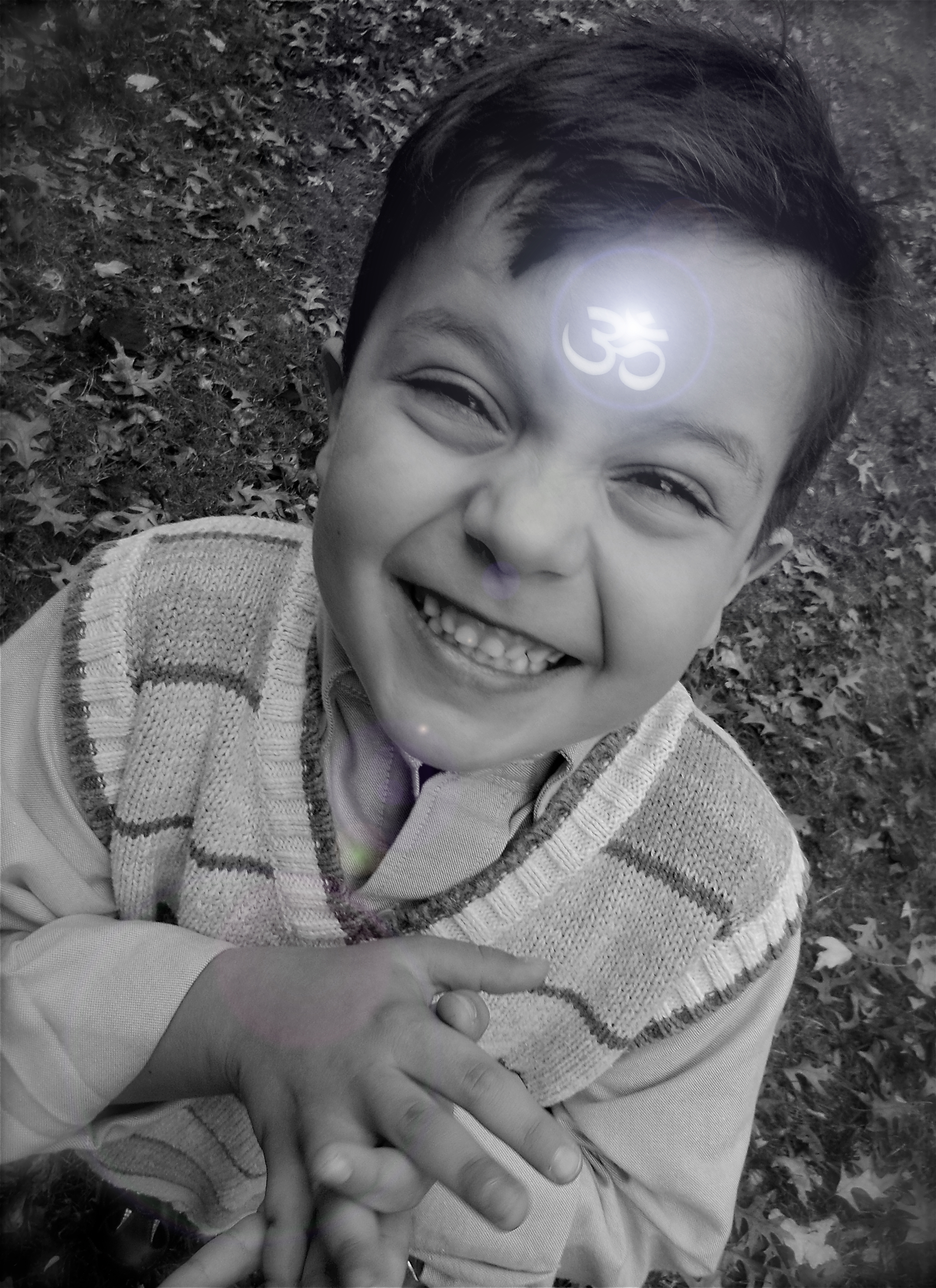 Yogic wisdom from kids? Maybe. Check out the upcoming lecture series at the Rubin Museum of Art: “Talk about Nothing” (literally, discussions on what “nothing” means) given by, among many others, developmental psychologist Alison Gopnik and scottish actor Brian Cox.
Alison Gopnik argues that the minds of children could help us understand deep philosophical questions. A father of a new family of two, acclaimed British Shakespearean Brian Cox explains how he divests himself of his own personality (no-self) before assuming another for the stage.
Professor Gopnik has some great books and online interviews (here, here, here) on this topic already!
From her new book, The Philosophical Baby:
This new science holds answers to some of the deepest and oldest questions about what it means to be human. A new baby’s captivated gaze at her mother’s face lays the foundations for love and morality. A toddler’s unstoppable explorations of his playpen hold the key to scientific discovery. A three-year-old’s wild make-believe explains how we can imagine the future, write novels, and invent new technologies. Alison Gopnik—a leading psychologist and philosopher, as well as a mother—explains the groundbreaking new psychological, neuroscientific, and philosophical developments in our understanding of very young children, transforming our understanding of how babies see the world, and in turn promoting a deeper appreciation for the role of parents.

Posted in Uncategorized | Tagged Alison Gopnik, Children, Development, Developmental psychology, Psychology, Rubin Museum of Art, The Philosophical Baby: What Children's Minds Tell Us About Truth Love and the Meaning of Life | Leave a Comment »

Pointer to … “50 Resources for Students Attending Online Health Psychology Schools” @ Online Schools .org which lists this blog as a resource. From this site:
Health psychology news and information allows online students and professionals to understand the goings on in the health industry. The information makes it possible for one to learn what steps are being taken to provide better mental health care, what is going on in psychology health research, treatment and medicine.
Hope the blog will be useful. More (and more frequent) posts to come!
Posted in Uncategorized | Tagged Education, Mental health, Student | Leave a Comment »

Really enjoyed reading Stretch – The Unlikely making of a Yoga Dude by Neal Pollack! He’s so honest and blunt about his extensive journeys through yoga practices, workshops, conventions, that – as a guy and newbie to yoga – it was hard to put the book down. Over and over again in the book, he skewers the phony “open your heart to the possibilities of the universe” and “feel good” culture of western commercial yoga inc., and finally comes to resonate and find inner-peace in the deeper guidance of Richard Freeman and in-depth analysis of the ancient yoga texts. Drug-use, fart and sexist humor aside, I learned A LOT about yoga!
Posted in artist | Tagged Arts, books, Neal Pollack, Richard Freeman, Teachers and Centers, Yoga, Yoga Journal | 2 Comments »
 What if you had magic fingers and could touch a place on a person’s body and make all their pain and anguish disappear? This would be the stuff of legends, myths and miracles! Here’s a research review by Kerry J Ressler and Helen S Mayberg on the modern ability to electrically “touch” the Vagus Nerve.
The article, Targeting abnormal neural circuits in mood and anxiety disorders: from the laboratory to the clinic discusses a number of “nerve stimulation therapies” wherein specific nerve fibers are electrically stimulated to relieve mental anguish associated with (drug) treatment-resistant depression.
Vagus nerve stimulation therapy (VNS) is approved by the FDA for treatment of medication-resistant depression and was approved earlier for the treatment of epilepsy20. … The initial reasoning behind the use of VNS followed from its apparent effects of elevating mood in patients with epilepsy20, combined with evidence that VNS affects limbic activity in neuroimaging studies21. Furthermore, VNS alters concentrations of serotonin, norepinephrine, GABA and glutamate within the brain22–24, suggesting that VNS may help correct dysfunctional neurotransmitter modulatory circuits in patients with depression.
This stuff is miraculous in every sense of the word – to be able to reach in and “touch” the body and bring relief – if not bliss – to individuals who suffer with immense emotional pain. So who is this Vagus nerve anyway? Why does stimulating it impart so many emotional benefits? How can I touch my own Vagus nerve?
The wikipedia page is a great place to explore – suggesting that this nerve fiber is central to the “rest and digest” functions of the parasympathetic nervous system. As evidenced by the relief its stimulation brings from emotional pain, the Vagus nerve is central to mind-body connections and mental peace.
YOGA is a practice that also brings mental peace. YOGA, in so many ways (I hope to elaborate on in future posts), aims to engage the parasympathetic nervous system (slowing down and resting responses) and disengage the sympathetic nervous system (fight or flight responses). Since we all can’t have our very own (ahem) lululemon (ahem) vagal nerve stimulation device, we must rely on other ways to stimulate the Vagus nerve fiber. Luckily, many such ways are actually known – so-called “Vagal maneuvers” – such as holding your breath and bearing down (Valsalva maneuver), immersing your face in ice-cold water (diving reflex), putting pressure on your eyelids, & massage of the carotid sinus area – that have been shown to facilitate parasympathetic (relaxation & slowing down) responses.
But these “Vagal maneuvers” are not incorporated into yoga. How might yoga engage and stimulate the Vagal nerve bundle? Check out these great resources on breathing and Vagal tone (here, here, here). I’m not an expert by any means but I think the take home message is that when we breathe deep and exhale, Vagal tone increases. So, any technique that allows us to increase the duration of our exhalation will increase Vagal tone. Now THAT sounds like yoga!
Even more yogic is the way the Vagus nerve is the only nerve in the parasympathetic system that reaches all the way from the colon to the brain. The fiber is composed mainly of upward (to the brain) pulsing neurons – which sounds a lot like the mystical Kundalini Serpent that arises upwards from within (starting at the root – colon) and ending in the brain. The picture above – of the Vagus nerve (bright green fiber) – might be what the ancient yogis had in mind?
some updates:
– here’s a great post on the importance of, and teaching of exhalation
Posted in breathing, chakras, metabolism, Mindfulness, Uncategorized | Tagged Breathing, Central nervous system, Emotion, Kundalini, Kundalini yoga, Nervous system, Neuron, parasympathetic nervous system, Treatment-resistant depression, Vagus nerve, Vagus nerve stimulation | 2 Comments »
 Have you ever lost track of time in yoga class? On a good day, I’ll get so into the practice that my awareness of “how much time still to go?” comes at the very end. Other days, I might feel time dragging as if the class is taking forever (best not to glance at a wristwatch).
We – as human beings – have a very poor sense of time. Intensely new and wonderful experiences may pass too quickly, but remembered years later, seem greatly expanded. In flashes of intense fear, time has a way of moving very slowly, yet un-recallable in repressed memories. Sitting and waiting for a bus makes time pass so very slowly, until an attractive or interesting person sits next to you.
Somehow its not time, per se, that we measure, but rather the intensity of our emotional experience that makes time expand and contract.
Yoga texts are chock full of references to “consciousness” and the “illusions” of everyday thinking. Sometimes, these notions can sound hokey when spoken in the NJ suburbs where I practice, but that doesn’t mean they are not true. Just consider how illusory your perceptions of time are. Your sense of time is just a by-product of your experience – its not an absolute “thing” you can measure. Your sense of YOU and the events in your life – as they stretch out over time – the mere jumble of memories – is very far from the objective reality you might want think. We all live in the illusions created by our own minds.
When it comes to the illusions of time, somehow, it seems, our perception of time is tied mainly to the intensity of our emotional experience. People seem to understand this. Folks like Marcel Proust who wrote, “Love is space and time measured by the heart.” And folks like Craig Wright who wrote the play – Melissa Arctic – that made me acutely aware of the illusion of time in our all too brief lives. Check it out if you ever get the chance. The play – wherein a young child plays the role of “time” – pulls you through the course of one man’s tragic life and deeply into your heart to realize that time is, indeed, measured by the heart – captured and measured by the intensity of emotional experience. Consider how Time, the young child, invokes the audience at the start of the play, “Everything be still. Can everything be perfectly still?”
Needless to say, this all sounds much like the common yogic counsel to “stop thinking and start feeling” and “live in the present moment“. Perhaps its worth recognizing how fallible, illusionary and fanciful our sense of time really is. Perhaps also, emotions are the key here. Perhaps I should try harder to engage my heart in life (and in yoga class) – the key to really experiencing now and living in this present moment.
Posted in breathing | Tagged Art, Craig Wright, Emotion, Empathy, illusions, Marcel Proust, melissa arctic, Psychology, time, Yoga | Leave a Comment »
Posted in Uncategorized | Tagged Art, Arts, Yoga | Leave a Comment »
Do you? Do you care for yourself the way you’d treat a sweetheart or your very own child? Do you accept yourself and ‘not see’ all the imperfections in yourself that you ‘don’t see’ in your loved ones? Do you give yourself the same gifts of kindness, tenderness and tolerance that you lavish on those you love? Perhaps if you loved yourself more, you’d love others more. You’d love your loved ones more deeply and in more ways.
But how do we learn to love ourselves? It sounds narcissistic. Its not. In this video (0:10:50), former molecular biologist and medical school professor, Jon Kabat-Zinn suggests that giving yourself a small gift – some time to rest – time to accept yourself – time to allow your thoughts to drift – time to listen to your feelings and thoughts with honesty and vulnerability – via yoga and meditation – is a wonderful act of self love.
Put aside the stronger muscles, the leaner body and the soothing music … to me, Kabat-Zinn points to the one and only, most fundamental reason to practice yoga and meditation. Ultimately, its an expression of LOVE that is practiced first on oneself – and then – radiates to others. If you can’t love yourself – body, mind, soul – how can you really love others?
P.S. The images (0:12:03) of Harvard Chemistry Professor, Nobel Prize winner George Wald doing yoga and sitting on a beach while beating a drum and chanting are priceless!
Posted in Mindfulness | Tagged Breathing, Jon Kabat-Zinn, Meditation, Mindfulness-based stress reduction, Narcissism, Relationship, Teachers and Centers, Yoga | Leave a Comment »

A recent scientific study of yoga and fibromyalgia has been buzzing around the web (here, here, here, here). The study is entitled, “A pilot randomized controlled trial of the Yoga of Awareness program in the management of fibromyalgia” [doi: 10.1016/j.pain.2010.08.020] and is one of the most scholarly articles on the science of yoga that I have ever read (more posts to come on this research article). In a nutshell:
53 women who have suffered with fibromyalgia for 1-10+ years were randomly separated into a test group (25 women) who participated in an 8-week Yoga of Awareness course vs. a control group (28 women) who participated in so-called routine care for fibromyalgia. After the 8-week course, the test (yoga) group showed greater improvements in a number of fibromyalgia symptoms than the control group.
The results are big news – not only for people who suffer from fibromyalgia – but for many others who suffer with chronic pain. The results suggest that yoga works! and may be worth a try!
One of the things I found so great about the article, is the way the authors delved into the question of WHY yoga works and why it may be a rather ideal adjunct to traditional medical therapy. Here’s a passage from the article:
The intention of the yoga program we employed was to fulfill the need for both exercise and coping skills training as effective counterparts to pharmacotherapy for FM. Recent reviews of exercise trials concur that aerobic exercise and also strength training usually improves some FM symptoms and physical functioning, but rarely shows effects on pain or mood. In contrast, reviews of FM coping skills trials have concluded that such treatments usually show mild to moderate post-treatment effects on pain, mood, and disability. However, several reviews have emphasized that the best results have been produced by multi-modal interventions that combine both exercise and coping skills training.
What made a this yoga intervention so innovative – from a purely medical or clinical perspective – is the way it aimed to treat BOTH body and mind. Note how the medical world has a way of divvying up treatments into those that are specific to the body and those that are specific to the mind. Perhaps, it is starting to dawn on modern medical practice that this separation does not work well for certain ailments – particularly for the treatment of chronic pain.
Credit two unassuming yoga instructors for this!
It turns out that the lead authors for the research are James W. Carson and Kimberly M. Carson from the Department of Anesthesiology and Peri-operative Medicine and School of Nursing, Oregon Health & Science University in Portland, Oregon. They are strangers to neither science nor the practice of yoga. From their website – Jim is a former yogic monk with more than 25 years of teaching experience while Kimberly is an instructor of Kripalu Yoga – in addition to numerous other academic and yogic accomplishments.
Yogis doing science?
Of course! This should not come as a surprise. Ancient yogis were dabbling in psychology, chemistry and medicine LONG before our modern era of science came along. Just like modern medical practitioners – they wanted to help people cope with suffering 🙂
Today, there is much to be gained in scientific research on the mind-body interface. A recent article in Nature Medicine reviews the neuroscience of this most mysterious interface. “Getting the pain you expect: mechanisms of placebo, nocebo and reappraisal effects in humans” [doi:10.1038/nm.2229]. Will try and explore some of these brain-body connections and the way yoga practice engages them in future posts (related post here).
Posted in Mindfulness, physiology | Tagged Fibromyalgia, Oregon Health & Science University, Pain, parasympathetic nervous system, Psychology, Teachers and Centers, Yoga | Leave a Comment »

One of the most mysterious aspects of modern medicine is the so-called placebo effect. Imagine a drug company that has a new pill. To see if it works, they give one group of people (the “test” group) the real pill and they give another group of people (the “control” group) an identical looking pill that does not contain any medicine (sugar pill). If the the “test” group improves in health and the “control” group does not – voila! – one can conclude that the medicine works.
What happens when the “control” group gets better? Hunh? but there was no medicine … how can they get better? This is known as the placebo effect – wherein a persons EXPECTATIONS lead them to feel better.
Believe it or not, it happens all the time in scientific research and in the pharmaceutical industry. Apparently the brain has a way of convincing the body that things are getter better (or worse). You probably have probed this complex mind-body interface at some point … “is the pain really in my back, or perhaps just in my head?” Indeed, you can almost hear the frustration among the blue suits in a big pharma board room, “Mind and body are connected?” “How much is this damned mind-body problem going to cost us?” Its a multi-billion dollar problem!
Ancient yogis seemed to understand the placebo/mind-body phenomenon. Its a part of what makes yoga so interesting. Its ALL ABOUT THE CONNECTION between mind and body – not one vs. the other.
Most folks who practice yoga will attest to its mental and physical benefits. This is true. However, one can still ask the valid question of whether the actual benefits are real? The purely physical benefits (muscles) are not in doubt. But, does yoga really improve a person’s mental life – or do we just want to think so (a placebo response)? I mean, have you left the yoga studio (fully relaxed) only to honk the horn after being cut off in traffic? Did yoga really change you? Is there evidence – in the scientific sense – that yoga leads to mental well-being?
Hats off to Dru worldwide – an organization that is “passionate about positive health and wellbeing. With yoga and meditation at [its] core.” – for taking on this important question!
In an article entitled, “The effectiveness of yoga for the improvement of well-being and resilience to stress in the workplace” [PMID: 20369218] published in the Scandinavian Journal of Work, Environment & Health, researchers from Dru Education Center, University of Gothenburg, Harvard Medical School and Bangor University used the scientific method and compared 24 people (mostly women with mean age of 39) who participated in a 1 hour yoga class each week (for 6 weeks) to 24 people who did not participate in the yoga training (the control group). Importantly, these groups were selected at random and showed similar profiles for age, prior yoga experience and health condition.
Specifically, the investigators sought to “measure” the effects of yoga using 2 instruments: the Profile of Mood States Bipolar (POMS-Bi) and the Inventory of Positive Psychological Attitudes (IPPA – you can take the assessment here). As noted by the researchers, these questionnaires allow investigators to track changes in both positive and negative feelings. To determine whether the yoga experience conferred a psychological benefit, the investigators measured the POMS and IPPA scores at the start and at the end of 6 weeks and then asked whether the change in score was different between the “test” and “control” groups.
The results (nice graph on the Dru website) show that the improvements in score (benefits) were higher in the yoga “test” group than the “control” group (who were on the waiting list for the 6 weeks).
In 7 of the 8 POMS-Bi and IPPA domains, scores for the yoga group improved 2–5 times more than those in the control group over the course of this study. The interaction term from a two-way ANOVA showed that in comparison with the control group, the yoga participants at the end of the program felt significantly less anxious, confused, depressed, tired, and unsure, and had a greater sense of life purpose and satisfaction and were more self-confident during stressful situations. Although the yoga group reported feeling more agreeable (less hostile) than the control group at the end of the program, this difference was not statistically significant.
Thus, the research team validly concludes that the yoga experience was associate with improvements in mental well-being. This is remarkable given the small size and short duration of the study. I do recall, when I first started yoga (9 months ago) that I felt sooo much better, so I think I can understand what the participants might have been feeling.
BUT, was this just the placebo response? Like me, did the study participants want to THINK that it was the yoga that made the difference? In other words, were the mental wellness benefits due to the EXPECTATION of feeling better – the placebo effect? The investigators are not unaware of this issue:
Because participants in our study were self-selected, it can be assumed that they were a highly motivated group who wanted to practice yoga. Participant expectations may have included a desire to feel less stressed by the end of the six-week sessions and this may have contributed to their perceived benefit.
So, the data suggest that yoga made a contribution to the mental well-being of the participants. This is a valid conclusion – and hats off to the research team for conducting the study. Are the effects “real” or “just in the mind” of the participants? Does it really matter?
Personally, I don’t think so. That’s the fun of exploring the mind-body interface via yoga and meditation. Not “knowing” but rather, just “feeling”!
Posted in clinical trial, Uncategorized | Tagged Bangor University, dualism, Emotion, Harvard Medical School, placebo, Teachers and Centers, University of Gothenburg, Yoga | Leave a Comment »

Most cells in your adult body are “terminally differentiated” – meaning that they have developed from stem cells into the final liver, or heart, or muscle or endothelial cell that they were meant to be. From that point onward, cells are able to “remember” to stay in this final state – in part – via stable patterns of DNA methylation that reinforce the regulation of “the end state” of gene expression for that cell. As evidence for this role of DNA methylation, it has been observed that levels of DNA methyl transferase (DNMT) decline when cells are fully differentiated and thus, cannot modify or disrupt their patterns of methylation.
NOT the case in the brain! Even though neurons in the adult brain are fully differentiated, levels of methyl transferases – DO NOT decline. Why not? Afterall, we wouldn’t want our neurons to turn into liver cells, or big toe cells, would we?
One hypothesis, suggested by David Sweatt and colleagues is that neurons have more important things to “remember”. They suggest in their fee and open research article, “Evidence That DNA (Cytosine-5) Methyltransferase Regulates Synaptic Plasticity in the Hippocampus” [doi: 10.1074/jbc.M511767200] that:
DNA methylation could have lasting effects on neuronal gene expression and overall functional state. We hypothesize that direct modification of DNA, in the form of DNA (cytosine-5) methylation, is another epigenetic mechanism for long term information storage in the nervous system.
By measuring methylated vs. unmethylated DNA in the promoter of the reelin and BDNF genes and relating this to electrophysiological measures of synaptic plasticity, the research team finds correlations between methylation status and synaptic plasticity. More specifically, they find that zebularine (an inhibitor of DNMT) CAN block long-term potentiation (LTP), but NOT block baseline synaptic transmission nor the ability of synapses to fire in a theta-burst pattern (needed to induce LTP).
This suggests that the epigenetic machinery used for DNA methylation may have a role in the formation of cellular memory – but not in the same sense as in other cells in the body – where cells remember to remain in a terminally differentiated state.
In the brain, this epigenetic machinery may help cells remember stuff that’s more germane to brain function … you know … our memories and stuff.
Posted in BDNF, DNMT, Hippocampus, RLN | Tagged Brain, DNA, DNA methylation, DNA methyltransferase, Epigenetics, Gene expression, Memory, Methylation, Rett Syndrome | Leave a Comment »





 Genes 2 Brains 2 Mind 2 Me