Feeds:
Posts
Comments

Posts Tagged ‘Mental disorder’

By Richard Wheeler (Zephyris) 2007. The three ...
Image via Wikipedia

File this story under “the more you know, the more you don’t know” or simply under “WTF!”  The new paper, “Microduplications of 16p11.2 are associated with schizophrenia” [doi:10.1038/ng.474] reveals that a short stretch of DNA on chromosome 16p11.2 is – very rarely – duplicated and – more rarely – deleted.  In an analysis of 8,590 individuals with schizophrenia, 2,172 with developmental delay or autism, 4,822 with bipolar disorder and 30,492 controls, the the microduplication of 16p11.2 was strongly associated with schizophrenia, bipolar and autism while the reciprocal microdeletion was strongly associated with developmental delay or autism – but not associated with schizophrenia or bipolar disorder.

OK, so the title of my post is misleading (hey, its a blog) since there are clearly many additional factors that contribute to the developmental outcome of autism vs. schizophrenia, but this stretch of DNA seems to hold clues about early development of brain systems that go awry in both disorders.  Here is a list of the brain expressed genes in this 600 kbp region (in order from telomere-side to centromere-side): SPN, QPRT, C16orf54, MAZ, PRRT2, C16orf53, MVP, CDIPT, SEZ6L2, ASPHD1, KCTD13, TMEM219, TAOK2, HIRIP3, INO80E, DOC2A, FLJ25404, FAM57B, ALDOA, PPP4C, TBX6, YPEL3, GDPD3, MAPK3, CORO1A.

Any guess as to which one(s) are the culprits?  I’ll go with HIRIP3 given its role in chromatin structure regulation – and the consequent regulation of under- (schiz?)/over- (autism) growth of synapses. What an amazing mystery to pursue.

Reblog this post [with Zemanta]

Read Full Post »

logo_MoteLgpointer to: amazing project on the complexities of managing mental illness in America today.  Scientific progress makes for policy dilemma in an era of economic decline.  Heartbreaking.

From the website: MINDS ON THE EDGE: Facing Mental Illness is a multi-platform media project that explores severe mental illness in America.

The centerpiece of the project is a television program airing on PBS stations in October 2009. This video component is part of a national initiative that includes extensive web content with tools for civic engagement, active social media on Facebook and Twitter, and an ambitious strategy to engage citizens, professionals in many fields, and policy makers at all levels of government. The goal is to advance consensus about how to improve the kinds of support and treatment available for people with mental illness.

The television program MINDS ON THE EDGE: Facing Mental Illness effectively illuminates challenging ethical issues as well as systemic flaws in program and policy design, service coordination, and resource allocation. These problems are contributing to a mental health system that is widely acknowledged to be broken. MINDS ON THE EDGE also provides a glimpse of innovative solutions that are currently being implemented across the country. These innovations, many shaped by the guidance and expertise of people with mental illness, offer promising solutions and hopeful direction to transform the mental health system.

Reblog this post [with Zemanta]

Read Full Post »

rsrtlogoIt was a delight today to chat with Monica Coenraads, Executive Director of the Rett Syndrome Research Trust.  The RSRT has teamed up with a deeply focused world-class team of research scientists to translate the fruits of basic research on Rett syndrome into viable cures.   Whether you are a scientist, student or concerned family member, you will learn a lot from exploring the RSRT website, blog as well as this short video lectureJust by a strange, unanticipated coincidence, today marks the 10-year annivesary of the identification of MeCP2 as the underlying gene for Rett syndrome. Click here for prior blog posts on Rett syndrome.  (click here for podcast)

Reblog this post [with Zemanta]

Read Full Post »

Tao Te Ching
Image via Wikipedia

In previous posts, we have explored some of the basic molecular (de-repression of chromatin structure) and cellular (excess synaptogenesis) consequences of mutations in the MeCP2 gene – a.k.a the gene whose loss of function gives rise to Rett syndrome.  One of the more difficult aspects of understanding how a mutation in a lowly gene can give rise to changes in cognitive function is bridging a conceptual gap between biochemical functions of a gene product — to its effects on neural network structure and dynamics.  Sure, we can readily acknowledge that neural computations underlie our mental life and that these neurons are simply cells that link-up in special ways – but just what is it about the “connecting up part” that goes wrong during developmental disorders?

In a recent paper entitled, “Intact Long-Term Potentiation but Reduced Connectivity between Neocortical Layer 5 Pyramidal Neurons in a Mouse Model of Rett Syndrome” [doi: 10.1523/jneurosci.1019-09.2009] Vardhan Dani and Sacha Nelson explore this question in great detail.  They address the question by directly measuring the strength of neural connections between pyramidal cells in the somatosensory cortex of healthy and MeCP2 mutant mice.  In earlier reports, MeCP2 neurons showed weaker neurotransmission and weaker plasticity (an ability to change the strength of interconnection – often estimated by a property known as “long term potentiation” (LTP – see video)).   In this paper, the authors examined the connectivity of cortical cells using an electrophysiological method known as patch clamp recording and found that early in development, the LTP induction was comparable in healthy and MeCP2 mutant animals, and even so once the animals were old enough to show cognitive symptoms.  During these early stages of development, there were also no differences between baseline neurotransmission between cortical cells in normal and MeCP2 mice.  Hmmm – no differences? Yes, during the early stages of development, there were no differences between genetic groups – however – once the team examined later stages of development (4 weeks of age) it was apparent that the MeCP2 animals had weaker amplitudes of cortical-cortical excitatory neurotransmission.  Closer comparisons of when the baseline and LTP deficits occurred, suggested that the LTP deficits are secondary to baseline strength of neurotransmission and connectivity in the developing cortex in MeCP2 animals.

So it seems that MeCP2 can alter the excitatory connection strength of cortical cells.  In the discussion of the paper, the authors point out the importance of a proper balance of inhibition and excitation (yin and yang, if you will) in the construction or “connecting up part” of neural networks.  Just as Rett syndrome may arise due to such a problem in the proper linking-up of cells – who use their excitatory and inhibitory connections to establish balanced feedback loops – so too may other developmental disorders such as autism, Down’s syndrome, fragile X-linked mental retardation arise from an improper balance of inhibition and excitation.

Reblog this post [with Zemanta]

Read Full Post »

arinlloydCelebrities and politicians are known for their love of the spotlight.  “Me, me, me!”  are the words to get ahead by in our modern media circus.   As well, it can even be – in the unglamorous world of science – where, in characteristically geeky form, the conventional wisdom is to shout, “my hypothesis, my hypothesis, my hypothesis!”.  Once, for example, I had a grad school professor say she was not allowed by her department to teach about glial cells in her brain development class.  Another distinguished professor once told me, “don’t even bother sending a grant in,  if it is focused on white matter“.   No sir, it appears that modern neuroscience shall only focus on one main hypothesis – the neuron doctrine and not on the lowly support cells (astrocytes, oligodendrocytes & microglia) that, actually, make up more than 90% of the human brain.  Hmmm, who would have thought to find such a cult of neuronal celebrity in the halls of academia?

With this in mind, I really enjoyed the recent paper “Rett Syndrome Astrocytes Are Abnormal and Spread MeCP2 Deficiency through Gap Junctions” [doi:10.1523/jneurosci.0324-09.2009] by Maezawa and colleagues.  The authors point out several critical gaps in the literature – namely that the expression of MeCP2 (the gene that, when mutated, gives rise to Rett syndrome) in neurons does NOT account for all of the many facets of the syndrome.  For example, when MeCP2 is deleted only in neurons (in a mouse model), it results in a milder form of abnormal neural development than when deleted in all CNS cell types ( the full mouse syndrome: stereotypic forelimb motions, tremor, motor and social behavioral abnormalities, seizures, hypoactivity, anxiety-like behavior and learning/memory deficits).  Also, it is not possible to reverse or rescue these deficits when a functional version of MeCP2 is expressed under a neuron-specific promoter.  However, when re-expressed under its endogenous promoter – it is possible to rescue the syndrome (free access article).

The authors thus looked much more closely at the expression of MeCP2 and found that they could indeed visualize the expression of the MeCP2 protein in cultured ASTROCYTES – who are a very, very important type of support cell (just think of the personal secretary Lloyd to Ari Gold on the TV show “Entourage”).  The team then examined how astrocytes that lack 80% of the expression of MeCP2 might interact with neurons – the very cells they normally support with secretions of growth factors and cytokines.   It turns out that both normal and MeCP2-deficient neurons do not thrive when co-cultured with astrocytes that have weak MeCP2 expression.   The team reports that dendritic length is reduced after a day and also a fews days of co-culture,  suggesting that the MeCP2-deficient astrocytes are failing to provide the proper trophic support for their neuronal celebrity counterparts.  Short dendrites are generally considered a bad-thing since this would predict poorer connectivity, and poorer cognition across the brain.

Hence, it seems that the lowly astrocyte is far more important in understanding what goes wrong in Rett syndrome.  Ironically, in this case however, the celebrity status of the neuron remains untarnished as astrocytes can now be blamed for the consequences of MeCP2 mutations.  The authors suggest that treatment of Rett syndrome via astrocytes is a worthwhile avenue of investigation.  This new direction in the search for a cure will be an exciting story to follow!

Reblog this post [with Zemanta]

Read Full Post »

Suitcase
Image by audioeric via Flickr

pointer to: The Willard Suitcase Exhibit on the documentation of forgotten belongings – hundreds of suitcases of personal belongings – of former residents of Willard Psychiatric Center.

Reblog this post [with Zemanta]

Read Full Post »

MECP2
Image via Wikipedia

The cognitive and emotional impairments in the autism spectrum disorders can be difficult for parents and siblings to understand and cope with.  Here are some graphics and videos that might assist in understanding how genetic mutations and epigenetic modifications can lead to various forms of social withdrawl commonly observed in the autism spectrum disorders in children.

In this post, the focus is just on the MecP2 gene – where mutations are known to give rise to Rett Syndrome – one of the autism spectrum disorders.  I’ll try and lay out some of the key steps in the typical bare-bones-link-infested-blogger-fashion – starting with mutations in the MecP2 gene.  Disclaimer: there are several fuzzy areas and leaps of faith in the points and mouse model evidence below, and there are many other genes associated with various aspects of autism spectrum disorders that may or may not work in this fashion.  Nevertheless, still it seems one can begin to pull a mechanistic thread from gene to social behavior Stay tuned for more on this topic.

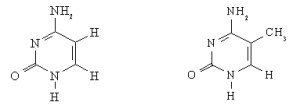
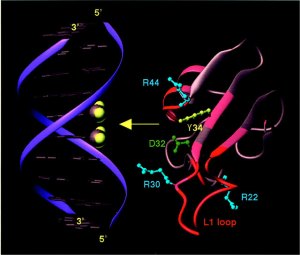
1. The MecP2 gene encodes a protein that binds to 5-Methylcytosine – very simply – a regular cytosine reside with an extra methyl group added at position 5.  Look at the extra -CH3 group on the cytosine residue in the picture at right.  See?  That’s a 5-methylcyctosine residue – and it pairs in the DNA double helix with guanosine (G) in the same fashion as does the regular cyctosine reside (C). 5methC OK, now, mutations in the gene that encode the  MecP2 gene – such as those found at Arginine residue 133 and Serine residue 134 impair the ability of the protein to bind to these 5-Methylcyctosine residues.  bindingMecP2The figure at left illustrates this, and shows how the MecP2 protein lines up with the bulky yellow 5-Methylcytosine residues in the blue DNA double helix during binding.
2. When the MecP2 protein is bound to the methylated DNA, it serves as a binding site for another type of protein – an HDAC or histone deacetylase. The binding of MecP2 and HDAC (and other proteins (see p172 section 5.3 of this online bookChromatin Structure and Gene Expression“)).  The binding of the eponymously named HDAC’s leads to the “de-acetylation” of proteins known as histones.  The movie below illustrates how histone “de-acetylation” leads to the condensation of DNA structure and repression or shutting down of gene expression (when the DNA is tightly coiled, it is inaccessible to transcription factors).  Hence: DNA methylation leads (via MecP2, HDAC binding) to a repression on gene expression.


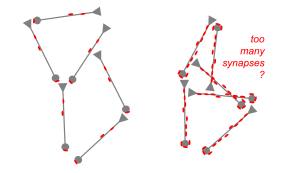
3. When mutated forms of MecP2 cannot bind, the net result is MORE acetylation and MORE gene expression. As covered previously here, this may not be a good thing during brain development since more gene expression can induce the formation of more synapses and – possibly – lead to neural networks that fail to grow and mature in the “normal” fashion. The figure at right toomanysynapsessuggests that neural networks with too many synapses may not be appropriately connected and may be locked-in to sub-optimal architectures.  Evidence for excessive synaptogenesis is abundant within the autism spectrum disorders.  Neuroligins – a class of genes that have been implicated in autism are known to function in cell & synaptic adhesion (open access review here), and can alter the balance of excitation/inhibition when mutated – which seems consistent with this heuristic model of neural networks that can be too adhesive or sticky.

4. Cognitive and social impairment can result from poor-functioning neural networks containing, but not limited to the amygdala. The normal development of neural networks containing the forntal cortex and amygdala are important for proper social and emotional function.  The last piece of the puzzle then would be to find evidence for developmental abnormalities in these networks and to show that such abnormalities mediate social and/or emotional function.  Such evidence is abundant.

Regarding the effects of MecP2 however, we can consider the work of Adachi et al., who were able to delete the MecP2 gene – just in the amygdala – of (albeit, an adult) mouse.  Doing so, led to the disruption of various emotional behaviors – BUT NOT – of various social interaction deficits that are observed when MecP2 is deleted in the entire forebrain.  This was the case also when the team infused HDAC inhibitors into the amygdala suggesting that loss of transcriptional repression in the adult amygdala may underlie the emotional impariments seen in some autism spectrum disorders.  Hence, such emotional impairments (anxiety etc.) might be treatable in adults (more on this result later and its implications for gene-therapy).

Whew!  Admittedly, the more you know – the more you don’t know.  True here, but still amazing to see the literature starting to interlink across human-genetic, mouse-genetic, human-functional-imaging levels of analysis. Hoping this rambling was helpful.

Reblog this post [with Zemanta]

Read Full Post »

Violinist marionette performs
Image by eugene via Flickr

The homunculus (argument) is a pesky problem in cognitive science – a little guy who might suddenly appear when you propose a mechanism for decision making, spontaneous action or forethought  etc. – and would take credit for the origination of the neural impulse.  While there are many mechanistic models of decision making that have slain the little bugger – by invoking competition between past experience and memory as the source of new thoughts and ideas – one must always tread lightly, I suppose, to be wary that cognitive mechanisms are based completely in neural properties devoid of a homuncular source.

Still, the human mind must begin somewhere.  After all, its just a ball of cells initially, and then a tube and then some more folds, layers, neurogenesis and neural migration  etc. before maturing – miraculously – into a child that one day looks at you and says, “momma” or “dada”.  How do these neural networks come into being?  Who or what guides their development toward that unforgettable, “momma (dada)” moment?  A somewhat homuncluar “genetic program” – whose instructions we can attribute to millions of years of natural selection?  Did early hominid babies say “momma (dada)?  Hmmm. Seems like we might be placing a lot of faith in the so-called “instructions” provided by the genome, but who am I to quibble.

On the other hand, you might find that the recent paper by Akhtar et al., “Histone Deacetylases 1 and 2 Form a Developmental Switch That Controls Excitatory Synapse Maturation and Function” [doi:10.1523/jneurosci.0097-09.2009] may change the way you think about cognitive development.  The team explores the function of two very important epigenetic regulators of gene expression – histone deacetylases 1,2 (HDAC1, HDAC2) on the functionality of synapses in early developing mice and mature animals.  By epigenetic, I refer to the role of these genes in regulating chromatin structure and not via direct, site-specific DNA binding.  The way the HDAC genes work is by de-acetylating – removing acetyl groups – thus removing a electrostatic repulsion of acetyl groups (negative charge) on histone proteins with the phosphate backbone of DNA (also a negative charge).  When the histone proteins carry such an acetyl group, they do NOT bind well to DNA (negative-negative charge repulsion) and the DNA molecule is more open and exposed to binding of transcription factors that activate gene expression.  Thus if one (as Akhtar do) turns off a de-acetylating HDAC gene, then the resulting animal has a genome that is more open and exposed to transcription factor binding and gene expression.  Less HDAC = more gene expression!

What were the effects on synaptic function?  To summarize, the team found that in early development (neonatal mouse hippocampal cells) cells where the HDAC1 or 2 genes were turned off (either through pharmacologic blockers or via partial deletion of the gene(s) via lentivirus introduction of Cre recombinase) had more synapses and more synaptic electrical activity than did hippocampal cells from control animals.  Keep in mind that the HDACs are located in the nucleus of the neuron and the synapses are far, far away.  Amazingly – they are under the control of an epigenetic regulator of gene expression;  hence, ahem, “epigenetic puppetmasters”.  In adult cells, the knockdown of HDACs did not show the same effects on synaptic formation and activity.  Rather the cells where HDAC2 was shut down showed less synaptic formation and activity (HDAC1 had no effect).  Again, it is amazing to see effects on synaptic function regulated at vast distances.  Neat!

The authors suggest that the epigenetic regulatory system of HDAC1 & 2 can serve to regulate the overall levels of synaptic formation during early cognitive development.  If I understand their comments in the discussion, this may be because, you don’t necessarily want to have too many active synapses during the formation of a neural network.   Might such networks might be prone to excitotoxic damage or perhaps to being locked-in to inefficient circuits?  The authors note that HDACs interact with MecP2, a gene associated with Rett Syndrome – a developmental disorder (in many ways similar to autism) where neural networks underlying cognitive development in children fail to progress to support higher, more flexible forms of cognition.  Surely the results of Akhtar et al., must be a key to understanding and treating these disorders.

Interestingly, here, the controller of these developmental phenotypes is not a “genetic program” but rather an epigenetic one, whose effects are wide-spread across the genome and heavily influenced by the environment.  So no need for an homunculus here.

Reblog this post [with Zemanta]

Read Full Post »

Survey sampling
Image via Wikipedia

pointer to: Razib Khan’s results (600+ respondents!) survey on genetic testing and psychiatric illness.  Very informative!

Reblog this post [with Zemanta]

Read Full Post »

Human Genome
Image by Dollar Bin via Flickr

pointer to: download Power Point presentation hosted on the HUGO website entitled, “From the human genome to human behaviour: how far have we travelled?” (both English and Russian text) – by Ian Craig and Nick Yankovsky, Education Council Human Genome Organisation.

Covers recent findings on MAOA and 5HTT several and others also covered here.

Congrats to Hsien on the new position!

Reblog this post [with Zemanta]

Read Full Post »

English: Visualization of a DTI measurement of...
Image via Wikipedia

Within the genetic news flow, there is often, and rightly so, much celebration when a gene for a disease is identified.  This is indeed an important first step, but often, the slogging from that point to a treatment – and the many small breakthroughs along the way – can go unnoticed. One reason why these 2nd (3rd, 4th, 5th …) steps are so difficult, is that in some cases, folks who carry “the gene” variant for a particular disorder, do not, in fact, display symptoms of the disorder.

Huh? One can carry the risk variant – or many risk variants – and not show any signs of illness?  Yes, this is an example of what geneticists refer to as variable penetrance, or the notion of carrying a mutation, but not outwardly displaying the mutant phenotype.  This, is one of the main reasons why genes are not deterministic, but much more probablistic in their influence of human development.

Of course, in the brain, such complexities exist, perhaps even moreso.  For example, take the neurological condition known as dystonia, a movement disorder that, according to the Dystonia Medical Research Foundation, “causes the muscles to contract and spasm involuntarily. The neurological mechanism that makes muscles relax when they are not in use does not function properly. Opposing muscles often contract simultaneously as if they are “competing” for control of a body part. The involuntary muscle contractions force the body into repetitive and often twisting movements as well as awkward, irregular postures.”  Presently there are more than a dozen genes and/or chromosomal loci that are associated with dystonia – two of the major genes, DYT1 and DYT6 – having been identified as factors in early onset forms of dystonia.  Now as we enter the era of personal genomes, an individual can assess their (own, child’s, preimplantion embryo’s!) genetic risk for such rare genetic variants – whose effects may not be visible until age 12 or older.  In the case of DYT1, this rare mutation (a GAG deletion at position 946 which causes a loss of a glutamate residue in the torsin A protein) gives rise to dystonia in about 30-40% of carriers.  So, how might these genes work and why do some individuals develop dystonia and others do not?  Indeed, these are the complexities that await in the great expanse between gene identification and treatment.

An inspection of the molecular aspects of torsin A (DYT1) show that it is a member of the AAA family of adenosine triphosphatases and is related to the Clp protease/heat shock family of genes that help to properly fold poly-peptide chains as they are secreted from the endoplasmic reticulum of the cell – a sort-of handyman, general purpose gene (expressed in almost every tissue in the body) that sits on an assembly line and hammers away to help make sure that proteins have the right shape as they come off their assembly linesNot much of a clue for dystonia – hmm.  Similarly, the THAP domain containing, apoptosis associated protein 1 (THAP1) gene (a.k.a. DYT6) is also expressed widely in the body and seems to function as a DNA binding protein that regulates aspects of cell cycle progression and apoptosis.  Also not much an obvious clue to dystonia – hmm, hmm.  Perhaps you can now see why the identification of “the gene” – something worth celebrating – can just leave you aghast at how much more you don’t know.

That these genes influence an early developmental form of the disorder suggests a possible developmental role for these rather generic cogs in the cellular machinery.  But where? how? & why an effect in some folks and not others?  To these questions, comes an amazing analysis of DYT1 and DYT6 carriers in the article entitled, “Cerebellothalamocortical Connectivity Regulates Penetrance in Dystonia” by Argyelan and colleagues [doi: 10.1523/JNEUROSCI.2300-09.2009]. In this article, the research team uses a method called diffusion tensor imaging (sensitive to white matter density) to examine brain structure and function among individuals who carry the mutations but either DO or DO NOT manifest the symptoms. By looking at white matter tracts (super highways of neural traffic) throughout the brain the team was able to ask whether some tracts were different in the 2 groups (as well as a group of unaffectd, non-carriers).  In this way, the team can begin to better understand the causal pathway between these run-of-the-mill genes (torsin A and thap1) and the complex pattern of muscle spasms that arise from their mutations.

To get right to the findings, the team has discovered that in one particular tract, a superhighway known as “cerebellar outflow pathway in the white matter of lobule VI, adjacent to the dentate nucleus” (not as quaint as Route 66) that those participants that DO manifest dystonia had less tract integrity and connectivity there compared to those that DO NOT manifest and healthy controls (who have the most connectivity there).  Subsequent measures of resting-state blood flow confirmed that the disruptions in white matter tracts were correlated with cerebellar outflow to the thalamus and – more importantly – with activity in areas of the motor cortex.  The correlations were such that individuals who DO manifest dystonia had greater activity in the motor cortex (this is what dystonia really comes down to — too much activity in the motor cortex).

Thus the team were able to query gene carriers using their imaging methods and zero-in on “where in the brain” these generic proteins exert a detrimental effect.  This seems to me, to be a huge step forward in understanding how a run-of-the-mill gene can alter brain function in such a profound way.  Now that they’ve found the likely circuit (is it the white matter per se or the neurons?), more focus can be applied to how this circuit develops – and can be repaired.

Reblog this post [with Zemanta]

Read Full Post »

The hydrophobic cell membrane prevents charged...
Image via Wikipedia

Few genes have been studies as intensely as apolipoprotein E (APOE).  In particular, one of its variants, the epsilon-4 allele has been especially scrutinized because it is correlated with an earlier onset (about 10 years earlier than average) of Alzheimer’s Disease.  Among the many roles of APOE – its just a tiny cholesterol binding protein – are those as participant in synaptic plasticity, early neural development, damage-response and other processes – all of which share the need for the synthesis and movement of neuronal membranes (see the fluid mosaic model) and their component parts – such as cholesterol.   Hence, whenever neural membranes are being synthesized (plasticity & development) or damaged (overstimulation and other sources of oxidative damage) the tiny APOE is there to help with its membrane stabilizing cholesterol molecule in hand. Over the course of a lifetime, routine damage to neuronal membranes adds up (particularly in the hippocampus where constant storage-recall memory functions place enormous demands on synaptic plasticity systems), and individuals (such as epsilon-4 carriers) may simply show more wear-and-tear because their version of APOE is not as optimal as the other forms (epsilon-2 and -3).

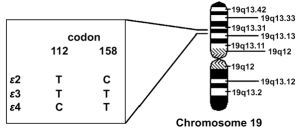
apoeWith this etiological model in mind, perhaps you would like to take better care of you cell membranes (much like your car mechanic implores to change your car’s spark plugs and oil to keep the engine clean on the inside).  Moreover, perhaps you would like to do-so especially if you knew that your APOE system was less optimal than average.  Indeed, results from the recent REVEAL study suggest that folks who are in their 50’s are not unduly distressed to make this genetic inquiry and find out their genotypic status at this APOE polymorphism – even though those who discovered that they were epsion-4 carriers reported more negative feelings, understandably.  Still, with a number of education and intervention strategies available, an optimistic outlook can prevail.

Furthermore, there are ever newer diagnostic strategies that can improve the rather weak predictive power of the genetic test.  For example, cognitive assessments that measure hippocampal-dependent aspects of memory or visual orienting have been shown to be valid predictors of subsequent dementia – even moreso in populations that carry the APOE epsilon-4 allele.  Other forms of neuroimaging that directly measure the structure and function of the hippocampus also have tremendous sensitivity (here for a broad review of imaging-genetics of AD) and can, in principle, provide a more predictive view into one’s distant future.

On the very cutting edge of this imaging-genetic crystal ball technology, lies a recent paper entitled, “Distinct patterns of brain activity in young carriers of the APOE-e4 allele” by Fillippini and colleagues [doi: 10.1073/pnas.0811879106].  Here, the research team asks whether individuals in their late 20’s show structural/functional brain differences that are related to APOE genotype.  They employ various forms of imaging analysis such as a comparison of brain activity when subjects were performing a novel vs. familiar memory task and also an analysis of so-called resting state networks – which reflect a form of temporal coherence (brain areas that oscillate in-sync with each other when subjects are lying still and doing nothing in the scanner).  For the analysis of the memory task, the team found that APOEe4 carriers showed more activation in the hippocampus as well as other brain regions like the anterior midbrain and cerebellum.  When the team analysed a particular resting state network – the default mode network – they found differences in the medial temporal lobe (containing head of the hippocampus and amygdala) as well as the medial prefronal cortex.  According to the paper, none of these differences could be explained by differences in the structure or resting perfusion of the young-adult brains in the study.

Wow, these results seem to suggest that decades before any mild cognitive impairments are observable, there are already subtle differences in the physiology of the APOEe4 brain – all of which could be detected using the data obtained in 6 minutes of rest. 6 minutes of rest and spit in a cup – what does the future hold?

Reblog this post [with Zemanta]

Read Full Post »

Example of a Genome-wide Scan for Quantitative...
Image via Wikipedia

A recent summary statement from the Cross-Disorder Phenotype Group of the Psychiatric GWAS Consortium [doi 10.1192/bjp.bp.108.063156] highlights the recent convergence of GWAS findings in bipolar disorder (ANK3 & CACNA1C) and schizophrenia (ZNF804A).  They also suggest that, “the most useful biological categories and/or dimensional definitions and measures are still unknown” and that “there may be overlap in the genetic susceptibility across disorders” and furthermore, “The notion that there is a gene for one of more psychiatric disorders is inappropriate and unhelpful“.

As someone whose been covering the more granular details of genes and brain function, it is reassuring to hear that the genome experts at 10,000 feet find that the evidence suggests that DSM-based diagnostics do not always jibe with basic brain biology.

How to interpret past psychiatric genetic data and how to move forward to make sense of the waves of new data (the PGC will have more than 80,000 participants each with more than 500,000 genotypes on record by end of 2009)?   Jeebus help us!

Reblog this post [with Zemanta]

Read Full Post »

Basic-helix-loop-helix structural motif of pro...
Image via Wikipedia

The basic helix-loop-helix transcription factor, neurogenin-1 is known to regulate neural development and neurite outgrowth.  As such, it makes for a particularly interesting point to begin to understand mental illness and its complex developmental origins.  The recent paper by Ho et al., “Basic helix–loop–helix transcription factor NEUROG1 and schizophrenia: Effects on illness susceptibility, MRI brain morphometry and cognitive abilities ” [doi: 10.1016/l.schres.2008.08.009] makes for a very interesting read since this gene resides in the midst of the chromosome 5q31 region – which has been a risk hotspot in a number of previous linkage studies – and – two snps in NEUROG1 (the C-allele of rs2344484 and the G-allele of rs8192558) have also been associated with the disorder.

The authors report that in a sample of 392 patients and 226 control subjects, the major alleles of rs2344484 and rs8192558 were more prevalent among patients.  Furthermore, some of the participants underwent structural MR brain imaging which allowed the research team to examine where in the brain such genetic risk might arise from.  Interestingly, the team found that both patients and control subjects who carried the C-allele of rs2344484 showed somewhat smaller volumes of grey matter.  For example, in Table 3 there were 145 CC,CT individuals with an average of 662 cubic centimeters of grey matter while the 28 participants with the TT genotype showed an average volume of 682 cu.cm.  This allele was also found to be associated with poorer cognitive abilities in these C-carrier participants.

As pointed out by the research team, NEUROG1 is expressed early in the development of the human brain and is implicated in the differentiation of cortical progenitor cells and of glutamatergic excitatory cells in deep layers of the cortex.  Thus, the role of variation in a transcription factor – a gene that regulates the expression of other genes – in the risk of schizophrenia can be very early and with very broadly effects on the neocortex.

How to treat such an early deficit? Would be interesting to discuss further.  My own 23andMe profile shows a CT heterozygote which places me within the higher risk, but more common genotypic pool.  Hmmm.  What to make of that?

Reblog this post [with Zemanta]

Read Full Post »

mouthComparisons of “healthy” vs. “disordered” genomes in psychiatry have not yet revealed sequence differences that can reliably predict the onset of mental disability.  Rather, such disability seems to arise from as-yet-undetermined complex, probablistic interactions of genetic risk and environmental factors over the course of development.  With this as the case, the demarcations between “healthy” and “disordered” may not be distinct, but rather fuzzy and hence unworthy of labels that give a false impression of being discrete states.

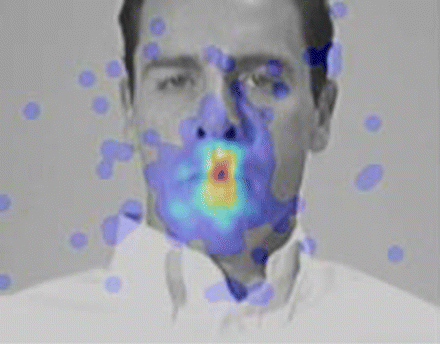
One recent paper that speaks to this issue is by Meyer-Lindenberg et al., “Genetic variants in AVPR1A linked to autism predict amygdala activation and personality traits in healthy humans” [doi: 10.1038/mp.2008.54].  Here, they explore genetic variation in the AVPR1A gene – a receptor for the pro-social neuropeptide vasopressin – and how it can modulate the activity of the amygdala when subjects view human faces (vs. a geometric shapes control condition).  Since it is well known that the amygdala responds to a wide range of social and emotional stimuli and that activation of the amygdala can enhance or prevent the storage of such emotional or socially arousing events – and – that this process goes awry in autism and in subjects with amygdala damage (the picture above shows that patients with amygdala damage do not focus on the eyes of human faces) – the investigators have indeed focused-in on a key set of neural processes.  They find the variation in the RS1 and RS3 polymorhphic sites in AVPR1a do indeed correlate with amygdala activity in healthy controls who were carefully screened for no history of mental disability.  A great example of folks who carry the “healthy” label, but also the genetic risk and the neural correlates of autism.

Reblog this post [with Zemanta]

Read Full Post »

Genetic Data
Image by giumaiolini via Flickr

As the personal genomics era dawns, it becomes clear that the new genetic information will lead to more new questions than answers.  Consider a well-intentioned parent who finds any number of suspicious risk factors in the genome of their child.  Perhaps a genetic risk variant for mental illness – an anxiety disorder perhaps?  What can be done?  What, if anything, should be done?

Of course there is no simple answer to this question.  Nevertheless, the technology itself may create strong demand for answers in the near future.  If it were me, I certainly would want to know – something, anything – to help.  Furthermore, there are already examples of willful misinformation in the consumer genetic marketplace that seem to prey on anxieties of parents, and which could ultimately heighten the need for reliable, evidence-based guidance.

To this end, the recent research article entitled, “A Genetically Informed Study of the Association Between Childhood Separation Anxiety, Sensitivity to CO2, Panic Disorder, and the Effect of Childhood Parental Loss“[Arch Gen Psychiatry. 2009;66(1):64-71], caught my attention. In this article, the authors consider Panic Disorder, a condition which can lead to the disruption of a healthy personal and professional life.  Genetic studies have shown that specific genes can contribute to the risk of the disorder, but also that these genes interact with early life and adult life experience.  What might these genes be doing in early life – and if we knew – then might we intervene early on to prevent the onset of the disorder later in life?

Again, there are more questions than answers here, but the research team of Battaglia et al., show – using 712 young adult twins – that a common genetic factor underlies childhood separation anxiety and the adult onset of panic disorder.  Thus, it may be the case that the sames genes that contribute to the risk of panic disorder, also may contribute to a form of childhood anxiety.  Having found evidence for a particular form of developmental continuity, the research team is one step closer to learning how a genomically-guided child-based early intervention might be structured.

Because there are many pathways that can lead to mental illness and many ways in which the genome interacts with the environment – it will be complex, if not impossible, to design early interventions that prevent the onset of mental illness.  In most cases, it is rather likely that most children who carry risk for mental illness, will – due to the probablistic nature of gene-gene and gene-environment interactions – just develop typically and not develop mental illness.  Neverthess, some will and its worth learning more.

Reblog this post [with Zemanta]

Read Full Post »

facial expressions
Image by ibiscus27 via Flickr

One of the difficulties in understanding mental illness is that so many aspects of mental life can go awry – and its a challenge to understand what abnormalities are directly linked to causes and what abnormalities might be consequences or later ripples in a chain reaction of neural breakdown.  Ideally, one would prefer to treat the fundamental cause, rather than only offer palliative measures for symptoms that arise from tertiary neural inefficiencies. In their research article entitled, “Evidence That Altered Amygdala Activity in Schizophrenia Is Related to Clinical State and Not Genetic Risk“, [doi: 10.1176/appi.ajp.2008.08020261] (audio link) Rasetti and colleagues explore this issue.

Specifically, they focus on the function of the amygdala and its role in responding to, and processing, social and emotional information.  In schizophrenia, it has been found that this brain region can be somewhat unresponsive when viewing faces displaying fearful expressions – and so, the authors ask whether the response of the amygdala to fearful faces is, itself, an aspect of the disorder that can be linked to underlying genetic risk (a type of core, fundamental cause).

To do this, the research team assembled 3 groups of participants: 34 patients, 29 of their unaffected siblings and 20 demographically and ethnically matched control subjects.  The rationale was that if a trait – such as amygdala response – was similar for the patient/sibling comparison and dissimilar for the patient/control comparison, then one can conclude that the similarity is underlain by the similarity or shared genetic background of the patients and their siblings.  When the research team colected brain activity data in response to a facial expression matching task performed in an MRI scanner, they found that the patient/sibling comparison was not-similar, but rather the siblings were more similar to healthy controls instead of their siblings.  This suggests that the trait (amygdala response) is not likely to be directly related to core genetic risk factor(s) of schizophrenia, but rather related to apsects of the disorder that are consequences, or the state, of having the disorder.

A follow-up study using a different trait (prefrontal cortex activity during a working memory task) showed that this trait was similar for the patient/sibling contrast, but dissimilar for the patient/control contrast – suggesting that prefrontal cortex function IS somewhat linked to core genetic risk.  Congratulations to the authors on this very informative study!

Reblog this post [with Zemanta]

Read Full Post »

A graphical representation of the normal human...
Image via Wikipedia

One of the mental functions many of us take for granted is memory – that is – until we’re at the grocery store.  If you’re like me, you dart out of the house confident that you don’t need a list since you’re just going to “pick up a few things” – only to return home and discover (hours later when you’re comfortably ensconced on the couch) that you forgot the ice cream.  Damn, why can’t I have a more efficient working memory system ?  What’s the matter with my lateral frontal cortex ?  Can I (should I) blame it on my genes ? What genes specifically ?

One group recently reported the use of the so-called BOLD-response (blood oxygen level dependent) as a means to sift through the human genome and identify genes that mediate the level of brain activity in the lateral frontal cortex that occur during a working memory task – somewhat akin to remembering a list of groceries.  Steven Potkin and associates in their paper, “Gene discovery through imaging-genetics: identification of two novel genes associated with schizophrenia” [doi: 10.1038/mp.2008.127] examine the level of brain activity in 28 patients with schizophrenia (a disorder where mental function in the lateral frontal cortex is disrupted) and correlate this brain activity (difference between short and long list) with genetic differences at 100,000 snps spread across the autosomes.

They identify 2 genes (that pass an additional series of statistical hurdles designed to weed-out false positive results) RSRC1 and ARHGAP18, heretofore, never having been connected to mental function.  Although neither protein is neuron or brain-specific in its expression, ARHGAP18 is a member of the Rho/Rac/Cdc42-like GTPase activating (RhoGAP) gene family which are well known regulators of the actin cytoskeleton (perhaps  a role in synaptic plasticity ?) and RSRC1 is reported to bind to actin homologs. Also, RSRC1 may play a role in forebrain development since it is expressed in cdc34+ stem cells that migrate under the control of TGF-alpha (As an aside, yours truly co-published a paper showing that TGF-alpha is regulated by early maternal care – possible connection ? Hmm).  A last possibility is a role in RNA splicing which many SR-proteins like RSRC1 function in – which also could be important for synaptic function as many mRNA’s are stored in synaptic terminals.

The authors’ method is completely novel and they seem to have discovered 2 new points from which to further explore the genetic basis of mental disability.  It will be of great interest to see where the research leads next.

Reblog this post [with Zemanta]

Read Full Post »

Clonidine
Image via Wikipedia

A recent report by Katayama and colleagues [doi 10.1038/mp.2008.97] shows that the the gene slitrk1 – a known risk factor for the developmental disorders  Tourette’s syndrome and trichotillomania gives rise to increased levels of noradrenaline when the gene is inactivated in a developing mouse model.  In the U. S., the most frequently prescribed medications for these disorders are clonidine hydrochloride (Catapres®) and guanfacine (Tenex®), which inhibit the synaptic transmission from presynaptic nerve terminals that express the alpha 2-adrenergic receptor.  Thus, the mouse model (mice with the inactive slitrk1 gene were healthy but showed behavioral abnormalities that were normalized upon treatment with clonidine) seems to validate the current form of treatment since a reduction in noradrenergic release, might counteract the higher levels of noradrenaline associated with the risk-promoting slitrk1 mutation.

Reblog this post [with Zemanta]

Read Full Post »

Drawing of Purkinje cells (A) and granule cell...
Image via Wikipedia

If you like gardening, the doldrums of winter can be dreary indeed. Although I’d never admit to it, my neighbors might swear to having seen me outside strangely (pathetically) counting the number of branches on my icicle-laden roses and rhododendrons.  In any case, I do admit to spending way too much time forlornly staring at my garden from the window while fantasizing about all the things I’ll plant come springtime.

Each new branch brings a new burst of color and fragrance and concomitant joy.  A good thing right ?  Similarly, each neuron in the brain – which look just like little trees with branches – should also strive to send out as many new branches and make new synaptic connections.  Afterall, there are brain disorders associated with a loss of or fewer dendrites, such as Down’s syndrome and schizophrenia. More branches, more synapses, more brain power and concomitant joy ? Well, perhaps not quite.

A gene known as seizure-related gene 6 (sez6) which is expressed in the developing brain as well as in response to environmental stimulation, seems to play a role in limiting the the number of branches that a neuron can send out.  Gunnersen and colleagues [doi: 10.1016/j.neuron.2007.09.018] show that mice that carry an inactivated version of sez6 show more dendritic branches (implying that the normal function of the active gene is to inhibit branch formation), and that this is definitely not a good thing.  These sez6(-/-) mice, while looking rather indistinguishable from their normal littermates, did not perform as well on tasks involving motor control, memory and emotional sensitivity (implying that having too many branches may not be so beneficial).  In humans, a frameshift mutation involving an insertion of a C residue at position 1435 of the cDNA is associated with febrile seizures, similarly suggesting that dendritic overload can have negative effects on human brain function.

Clearly, the human brain seeks a balance between too many and too few dendritic branches.  I suppose most experienced gardeners would also agree that too many branches is not desirable.  Perhaps they are right.  However, I don’t think I’d mind much if plants came with an analogous sez6 mutation !

Reblog this post [with Zemanta]

Read Full Post »

« Newer Posts - Older Posts »